A coffee on the way in. A sandwich at lunch. Maybe a snack at 3 p.m. when energy dips. None of it feels expensive on its own, but add it up over a month and the total can be surprising. If you have ever looked at your bank statement and wondered where your money went, you are not alone. One of the most popular money-saving questions women search for is simple: how much money can you save by packing lunch for work?
The honest answer is: it depends on what you currently spend and what you pack. But for most people, the savings are real, and they add up over a year. This guide shows you how to work out your own number, how to make packed lunches cheap and easy, and how to stick with the habit.
Quick answer: packing lunch is usually much cheaper per meal than buying it, because you cook from basic ingredients and use leftovers instead of paying café or takeaway prices. How much you save depends on what you spend now. The easiest way to find out is to track one normal work week of lunches, coffees and snacks, compare it with the cost of making the same food at home, and multiply the difference by the number of weeks you work in a year. Most people find that number is bigger than they expected.
Where Food Money Really Goes
Food is one of the biggest everyday expenses for most households. The U.S. Bureau of Labor Statistics tracks this in its Consumer Expenditure Surveys, which separate spending on "food at home" from "food away from home", the category that includes restaurant meals and takeaway. Buying lunch, coffee and snacks at work falls into the second group, and it is usually much more expensive per meal than food you prepare yourself.
Wasted food is another hidden cost. The U.S. Environmental Protection Agency (EPA) says the average family of four spends almost $3,000 a year on food that does not get eaten. Packing leftovers for lunch tackles both problems at once: you buy less takeaway and you throw away less food.
How to Work Out Your Own Savings
Instead of relying on someone else's numbers, take five minutes to calculate yours. Here is a simple method:
- Track one normal work week. Write down everything you buy to eat or drink during work hours: coffee, lunch, snacks, drinks.
- Add it up. That is your weekly "buying" cost.
- Estimate a packed version. Price the groceries for the same number of lunches and snacks made at home.
- Subtract. The difference is your weekly saving.
- Multiply by the number of work weeks in your year.
Example (for illustration only): say you spend $14 on lunch and $5 on coffee, three days a week, and a homemade lunch and coffee cost you about $5 combined. That is a saving of about $14 a day, or $42 a week. Over 46 working weeks, that is close to $1,900. Your numbers will be different, so use your own receipts. Even a smaller saving can pay for something meaningful by the end of the year.
Why Packed Lunches Fail (and How to Fix It)
Most people who try to pack lunch give up within a few weeks. Here are the most common reasons and the fixes:
- "I don't have time in the morning." Cook once on Sunday and portion lunches for the week. Our guide to meal prep for busy workdays shows you how.
- "It's boring." Rotate three or four recipes and change the sauces and toppings.
- "It's soggy or warm by lunchtime." Use an insulated lunch section and an ice pack. See how long an insulated lunch bag keeps food cold.
- "There's no microwave." Choose foods that taste good cold, or use a pre-heated food jar. See how to keep lunch warm without a microwave.
- "I forget it in the fridge." Put your keys on top of your lunch box, or pack your bag the night before.
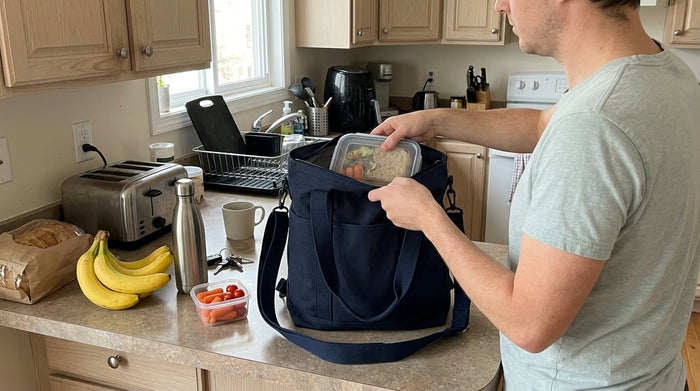
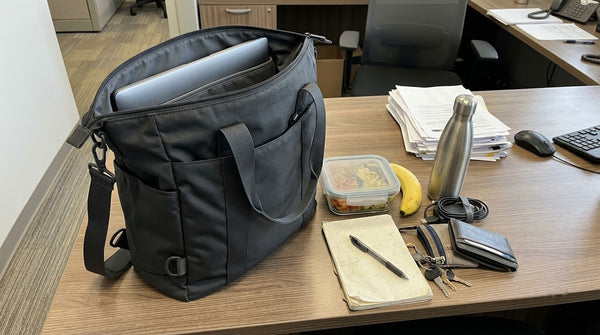
- "Carrying it is annoying." Use one bag that holds your lunch and your work things together.
10 Cheap, Easy Packed Lunch Ideas
- Big-batch chili with rice. Freezes well.
- Pasta salad with whatever vegetables are in season, a can of tuna or beans, and a simple dressing.
- Egg fried rice made from leftover rice.
- Lentil soup, one of the cheapest and most filling options.
- Wraps with hummus, grated carrot, spinach and leftover chicken.
- Baked potatoes with beans and cheese (great in a food jar).
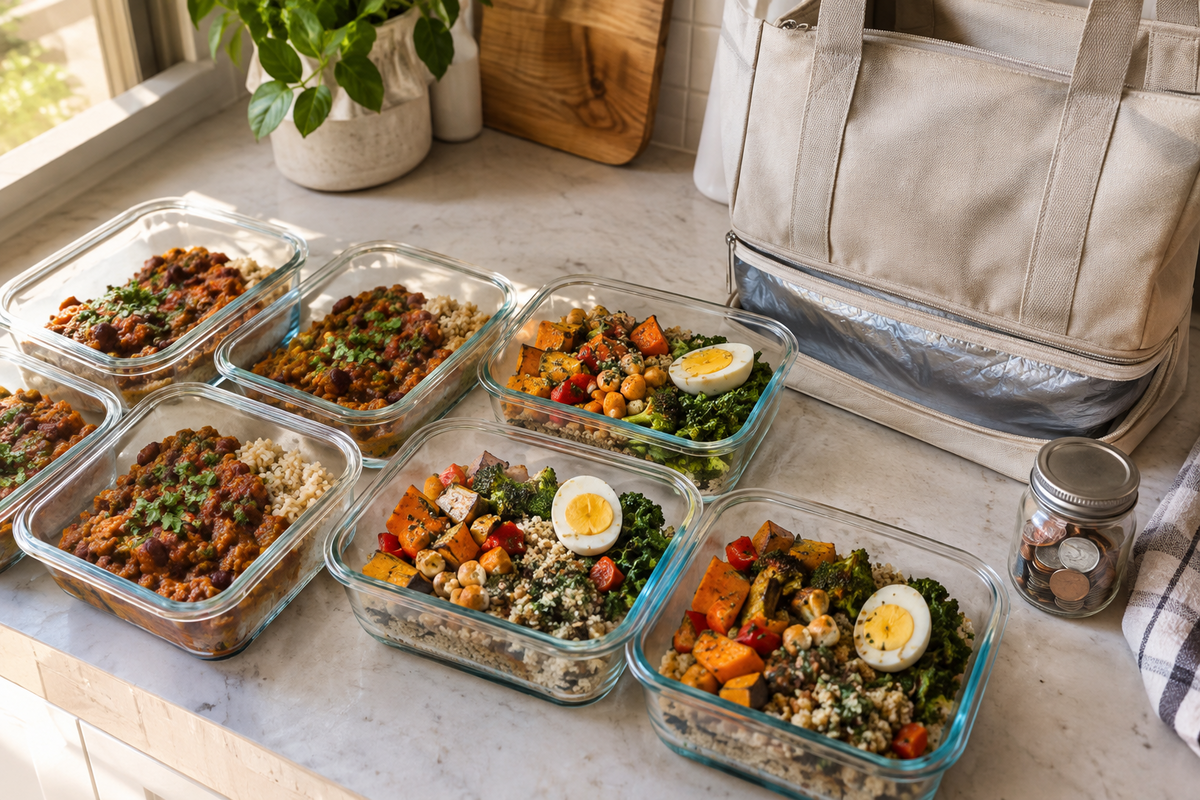
- Grain bowls: rice or couscous, roasted vegetables, an egg, a sauce.
- Overnight oats for a desk breakfast instead of a café pastry.
- Leftover curry with rice.
- A snack box: cheese, crackers, fruit, nuts, vegetables and dip.
For more ideas, see our list of 25 cold lunch ideas for work.
Smart Grocery Habits That Make Lunches Cheaper
- Plan before you shop. The EPA recommends planning meals for the week and buying only what you will use, which also cuts food waste.
- Cook once, eat twice. Make extra dinner and pack the leftovers.
- Buy staples in bulk: rice, oats, pasta, lentils, frozen vegetables.
- Use the freezer. Freeze single portions of soups and stews for busy weeks.
- Shop seasonally for fruit and vegetables.
Don't Forget Coffee and Snacks
For many people, the daily coffee and afternoon snack cost almost as much as lunch. A reusable cup filled at home or at the office, plus a snack from your bag, can make a big difference. Keep a "snack stash" in your work bag so you are not tempted by the vending machine.
Packed Lunch Food Safety
A packed lunch only saves money if it is safe to eat. The USDA explains that bacteria grow fastest between 40°F and 140°F, and recommends keeping perishable food cold with ice packs in an insulated lunch bag. Keep your lunch in a fridge at work if one is available, and wash your lunch containers and bag regularly. Our guide on how to clean an insulated lunch bag has step-by-step tips.
Make the Habit Stick
- Start with three days a week, not five.
- Track your savings in a notes app. Seeing the number grow is motivating.
- Give your savings a purpose: a holiday, an emergency fund, a course.
- Make lunch something to look forward to. Good food plus a real break away from your desk makes a difference. Read why you need a real lunch break.
A Sample Week of Packed Lunches
Here is how one simple Sunday cook can cover a whole work week:
- Sunday: cook a big pot of chili, a tray of roasted vegetables and a pan of rice. Boil six eggs.
- Monday: chili with rice.
- Tuesday: grain bowl with roasted vegetables, a boiled egg and a spoon of yogurt sauce.
- Wednesday: chili-stuffed wrap with cheese and spinach.
- Thursday: egg fried rice with the last of the vegetables.
- Friday: a snack box with cheese, crackers, fruit and the last two eggs, or a lunch out as a treat.
The ingredients are basic and cheap, and almost nothing goes to waste. That is the real secret of packed lunch savings: one cooking session, many meals.
Packed Lunch Savings for Families
If you pack lunches for children too, the savings can multiply. A few tips to keep it simple:
- Use the same base ingredients for adult and kid lunches, and change the portion size and toppings.
- Buy snacks in large packs and portion them into small reusable containers.
- Let older kids help pack their own lunch the night before.
- Keep a list of five "default" lunches everyone likes, so you never have to think too hard.
Going low-waste at the same time? Our guide on how to pack a zero-waste lunch shows how reusable containers and planned leftovers cut costs even further.
What to Do With the Money You Save
Savings feel more real when they have a job. Open a separate savings account or pot and move your weekly "lunch savings" into it every Friday. Watching it grow is motivating. Common goals include an emergency fund, a holiday, paying off a credit card faster or a course that helps your career. Even small weekly amounts can add up to something meaningful over a year.
This article is general information, not financial advice. Your savings will depend on your own spending, location and food prices.
Our Pick: One Bag for Lunch and Work
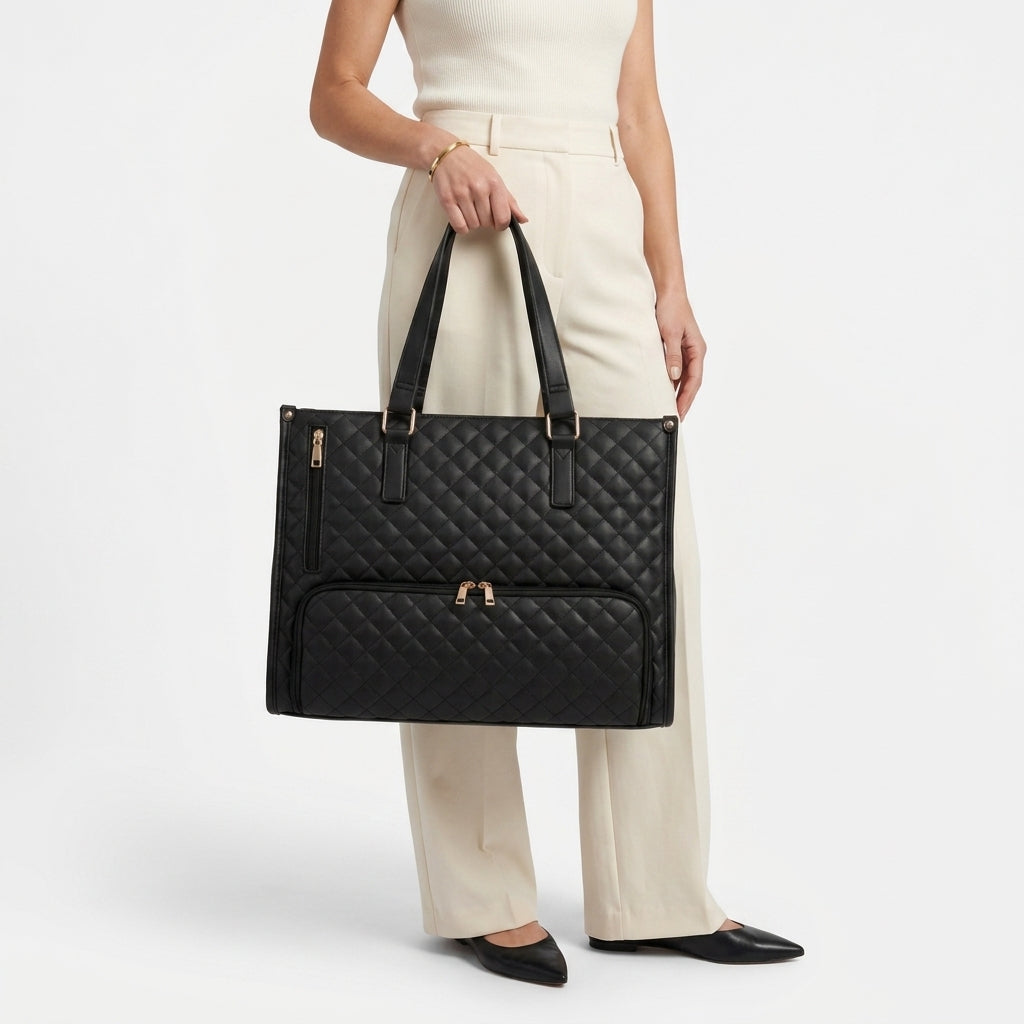
One of the biggest reasons people stop packing lunch is the hassle of carrying a separate lunch bag. The JELRIX 3-in-1 Totebag builds the lunch bag into your work tote:
- A leak-proof insulated food compartment that keeps meals warm for up to 5 hours or cold for up to 10.
- A laptop section that fits up to 17", separate from your food.
- 7 smart compartments plus a secure zip pocket for everything else.
- An easy-to-clean lining, so spills are not a problem.
It ships in 3 to 5 days with tracking and comes with 30-day easy returns. Over time, a bag that makes packing lunch easier can pay for itself in savings.
Key Takeaways
- Track one normal week of food purchases at work to find your own savings number.
- Batch cooking once a week makes packed lunches fast and cheap.
- Leftovers save money and reduce food waste at the same time.
- Keep packed lunches cold and safe with an insulated section and an ice pack.
- Start with three days a week and give your savings a clear goal.
Remember that packing lunch is not about never eating out. Many people keep one "lunch out" day a week as a treat or a chance to catch up with colleagues. Planning for it makes the other four days feel easier, and it stops you from feeling that you are missing out. The aim is a habit you can keep for months, not a perfect week followed by giving up.
Frequently Asked Questions
How long can a packed lunch last in the fridge?
It depends on the food. Cooked leftovers are generally best eaten within a few days. Store lunches in sealed containers in the fridge, and follow food safety guidance from your local health authority, such as the USDA in the U.S.
How much money can I save by packing lunch?
It depends on what you spend now and what you pack. Track one week of food purchases at work, estimate the cost of making the same meals at home, and multiply the difference by your working weeks. Many people find the yearly total is significant.
Is it cheaper to pack lunch or buy lunch?
For most people, packing lunch is cheaper per meal, especially when you use leftovers, batch cooking and staple ingredients like rice, pasta, beans and seasonal vegetables.
What is the cheapest lunch to pack for work?
Lentil soup, chili, egg fried rice, pasta salad with beans or tuna, baked potatoes and leftovers from dinner are some of the cheapest and most filling options.
How do I keep a packed lunch fresh until noon?
Use an insulated lunch bag or compartment with an ice pack, keep it closed, and store it in a fridge at work if possible. The USDA recommends keeping perishable food out of the 40°F to 140°F danger zone.
How do I stick to packing lunch?
Batch cook on Sundays, start with three days a week, pack the night before, rotate a few favorite recipes and track how much you save.