You unzip your lunch bag on Monday morning and something hits you. It is not quite rotten, not quite fresh. A faint mix of old soup, damp fabric and that yogurt that tipped over on Thursday. You spray a little air freshener, zip it back up and hope nobody at work notices.
The good news: most smelly lunch bags can be rescued. This guide shows you how to clean an insulated lunch bag, get the smell out for good, handle mold, and care for the outside of your tote.
Why Your Lunch Bag Smells (Even When You Wipe It)
An insulated lunch bag traps temperature, and that same design traps moisture and odor. The usual causes:
- Small spills you never saw. Dressing, sauce or juice soaks into seams and corners.
- Condensation. Ice packs and cold drinks "sweat" as they warm up. That water collects at the bottom of the bag.
- Zipping it shut while damp. A closed, wet, warm bag is a comfortable home for bacteria and, eventually, mold.
- Food sharing space with everything else. Smells travel between lunch, gym socks and makeup bags.
A dry napkin just moves the problem around. You need soap, water and time to dry.
How Often to Wash a Lunch Bag
Wondering how often to wash a lunch bag? Here is a simple rhythm:
- Every day you use it: a quick wipe-down and air dry (about two minutes).
- Once a week: a deeper clean of the lining, seams, zippers and ice packs.
- Right away: after any visible spill, leak, or if you forgot food inside overnight.
The 2-Minute Daily Routine
The USDA's advice for insulated lunch bags is short and practical: wipe the inside with hot, soapy water and let it air dry so it is ready for the next day. Here is how to turn that into an evening habit:
- Empty everything as soon as you get home: containers, ice packs, wrappers and crumbs.
- Wipe with hot, soapy water. Use a clean cloth or sponge with a drop of dish soap. Pay attention to corners and the bottom seam.
- Wipe again with plain water. This removes soap residue, which can leave its own smell.
- Leave it open to dry. Unzip every compartment and stand the bag upright, or prop it open, overnight.
Wash your ice packs and containers too. A clean bag with a dirty container inside will still smell by Wednesday.
How to Clean an Insulated Lunch Bag: The Weekly Deep Clean
Here is how to clean an insulated lunch bag properly once a week. It takes about 10 minutes plus drying time.
You need mild dish soap, warm water, a soft cloth, an old soft toothbrush and a towel.
- Check the care label first. Some lunch bags or removable liners can go in the washing machine. Many cannot. When in doubt, hand wash.
- Empty and open every pocket. Remove any removable liner or divider so you can reach all sides.
- Wash the lining. Wipe the inside with warm soapy water. Use the toothbrush gently along seams, corners and the zipper track, where crumbs and residue collect.
- Treat stains. For a stubborn spot, make a paste of baking soda and a little water, rub it in gently, wait about 15 minutes, then wipe it away.
- Rinse well. Wipe with a cloth dipped in clean water until no soap remains. Avoid soaking the whole bag, as water can get trapped inside the insulation layer.
- Towel dry, then air dry. Press out moisture with a towel, then leave the bag fully open in a well-ventilated spot until it is completely dry, inside and out. This can take several hours or overnight.
Only zip it closed once it is bone dry. That one step prevents more smells than anything else on this list.
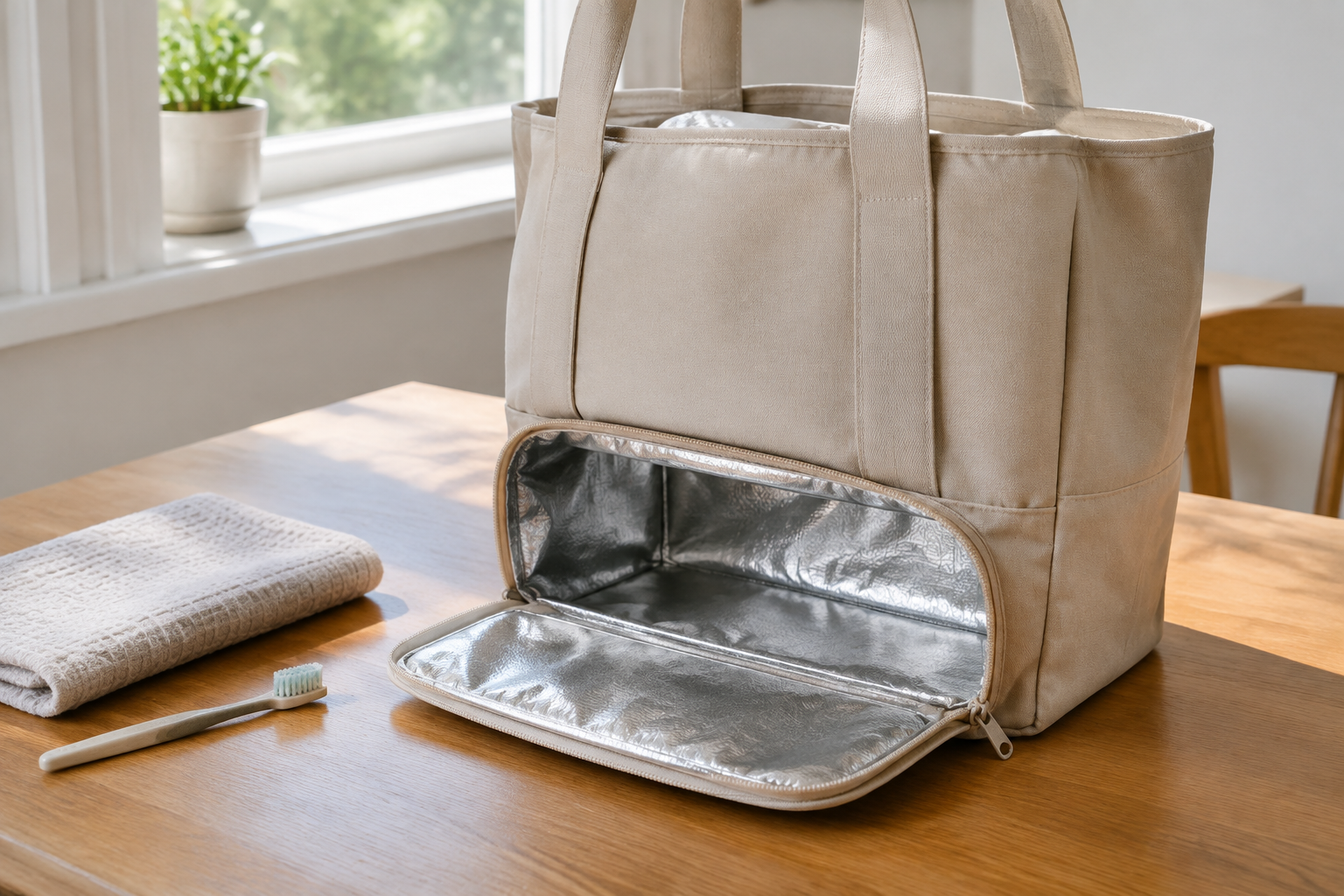
How to Get the Smell Out of a Lunch Bag
If the bag is clean but still smells, the odor is probably trapped in the lining or seams. These common household methods can help. Try one at a time, starting with the gentlest.
- Baking soda overnight. Sprinkle a thin layer of baking soda inside the dry bag, or place an open dish of it inside. Zip it closed, leave it overnight, then shake or vacuum it out and wipe clean.
- White vinegar solution. Mix roughly equal parts white vinegar and water. Wipe the lining with it, then wipe again with plain water and air dry. The vinegar smell fades as it dries. Test a small hidden spot first.
- Fresh air and sunlight. Leave the open bag outside or near a sunny window for a few hours. Airflow helps a lot. Keep it out of harsh, all-day sun, which may fade colors or affect some materials.
- Coffee grounds or activated charcoal. Put dry coffee grounds in a small cloth pouch or a paper filter tied shut, or use an activated charcoal deodorizer bag. Leave it inside the closed bag for a day or two.
Skip heavy fragrance sprays. They only mask the problem.
Lunch Bag Mold: Clean It or Replace It?
Lunch bag mold usually shows up as black, green or fuzzy white spots, often in seams, corners or under a liner. It tends to appear after a bag was closed while damp or forgotten with food inside.
When cleaning may be enough
- A few small spots on a smooth, wipeable lining
- The spots wipe away completely with soapy water and a vinegar wipe
- No musty smell remains once the bag is fully dry
If you clean mold, wear gloves, work in a ventilated area, wipe with soapy water, follow with the vinegar solution, then dry the bag completely in fresh air.
When it is safer to replace the bag
- Mold keeps coming back after cleaning
- It has spread into fabric, foam or insulation you cannot reach
- A musty smell lingers even after the bag is dry
- Anyone in your household has allergies or breathing sensitivities
When in doubt, replace it. Your lunch bag holds food every day, and it is not worth the risk.
What Not to Do When Cleaning a Lunch Bag
- Do not use bleach on linings unless the label says it is safe. Bleach can damage or discolor some fabrics and coatings, and it leaves strong fumes near food.
- Do not machine wash an insulated liner unless the care label allows it. Agitation can crack, shift or separate the insulation layer.
- Do not put it in the dryer. High heat can warp linings, damage insulation and weaken seams. Air dry instead.
- Do not soak the whole bag. Water trapped inside the padding dries slowly and can lead to mold.
How to Clean a Tote Bag by Material
If your lunch bag is part of a work tote, the outside needs care too. Always check the care label first. Here is general guidance by material:
| Material | How to clean | Avoid |
|---|---|---|
| Leather | Wipe with a damp cloth and a tiny amount of mild soap. Wipe again with a clean damp cloth, dry, then apply a leather conditioner now and then. | Soaking, harsh chemicals, direct heat |
| Faux leather | Wipe with a damp cloth and mild soapy water. Dry with a soft towel. | Alcohol-based cleaners, abrasive pads |
| Canvas | Spot clean with mild soap and a soft brush. Some canvas totes are machine washable; check the label. | Hot water and dryer heat, which can shrink fabric |
| Nylon / polyester | Spot clean with warm soapy water and a soft brush or cloth. Air dry. | Bleach, high heat |
Wipe the base and handles weekly. Bag bottoms pick up a lot from office floors and train seats.
How to Prevent Lunch Bag Smells
Cleaning is easier when there is less to clean. These habits keep odors from building up:
- Use leak-proof containers. Screw-top jars and containers with locking lids stop most spills before they start.
- Bag your ice packs. Slip them into a small reusable pouch or wrap them in a cloth to catch condensation.
- Dry before storing. Leave the bag open overnight, every night.
- Keep food separate from everything else. A dedicated food compartment stops lunch smells from reaching your laptop, papers and clothes.
For more on keeping food at a safe temperature until lunchtime, see our guide to meal prep for busy workdays.
When to Replace Your Lunch Bag
Even a well-cared-for lunch bag does not last forever. It is time for a new one when:
- Mold returns after you have cleaned it properly
- The smell does not go away after a deep clean and an odor treatment
- The lining is cracked, peeling or torn, so you cannot wipe it clean
- The zipper no longer closes fully, letting warm air in
When you shop for a replacement, look for a wipe-clean lining and a separate food compartment.
Our Pick: A Tote With a Separate, Easy-to-Clean Lunch Compartment
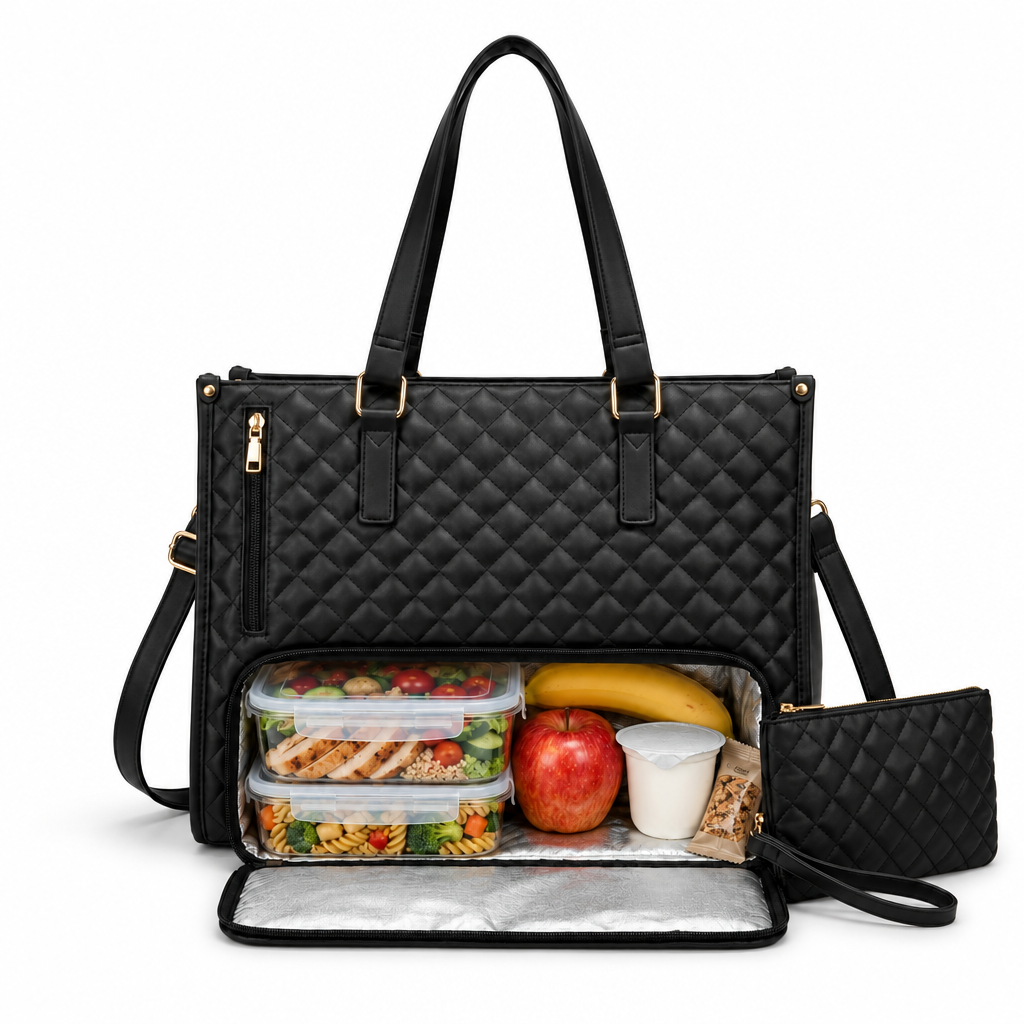
If you are replacing a lunch bag and also carrying a work tote, the JELRIX 3-in-1 Totebag combines both. It has a built-in insulated, leak-proof food compartment that sits separate from the main bag, so lunch smells and spills stay away from your laptop (up to 17") and paperwork. The easy-to-clean lining makes the two-minute wipe-down simple, and the waterproof exterior with a premium leather finish wipes down quickly.
Meals stay warm up to 5 hours and drinks cold up to 10 hours. It suits women who commute with a laptop and packed lunch every day and want one bag instead of two. If you only need a small lunch carrier, a simple lunch bag may suit you better. It comes with a 30-day money-back guarantee (see our Refund Policy).
What the Experts Say
Food safety is the main reason to keep your lunch bag clean and cold. The USDA explains that bacteria multiply fastest in the “danger zone” between 40°F and 140°F (4°C to 60°C), so a clean, well-chilled bag matters. For washable fabric pouches and covers, the American Cleaning Institute shares practical cleaning tips on choosing and using cleaning products safely.
Keep Reading
A clean bag is only half the story. To keep food safe all morning, read how long an insulated lunch bag keeps food cold, and if you prefer a hot meal, our guide on how to keep lunch warm without a microwave explains how to pack it safely. Need fresh ideas for what goes inside? Try our 25 cold lunch ideas for work. Pumping moms who use an insulated section for milk will also find our pump bag essentials checklist helpful.
Want to clean the rest of your bag too? Read how to clean a tote bag and protect it from rain and stains. And if you are cutting down on single-use packaging, see how to pack a zero-waste lunch for work.
Frequently Asked Questions
Can you put an insulated lunch bag in the washing machine?
Only if the care label says so. The safest way to clean an insulated lunch bag is usually by hand, because machine agitation can damage or shift the insulation layer. If machine washing is allowed, use a gentle cycle with cold or lukewarm water and mild detergent, then always air dry the bag fully open rather than using the dryer.
How do you get a sour smell out of a lunch bag?
First wash the lining with warm soapy water and rinse it. Once the bag is completely dry, sprinkle baking soda inside or place an open dish of it in the bag overnight. If the smell remains, wipe the lining with a half-and-half white vinegar and water solution, wipe with plain water, and air dry in fresh air.
How often should you wash a lunch bag?
Wipe the inside after every use with hot, soapy water and let it air dry. Then give it a deeper clean of the lining, seams, zippers and ice packs about once a week. Clean it immediately after any spill or leak, or if food was accidentally left inside overnight.
Is mold in a lunch bag dangerous?
Mold near food is best avoided, especially for people with allergies or breathing sensitivities. Small surface spots on a smooth lining can often be cleaned with soapy water, then vinegar, followed by thorough drying. If mold has reached the insulation, keeps coming back, or a musty smell remains, it is safer to replace the bag.
How do you clean a leather tote bag?
Wipe the surface with a soft cloth dampened with water and a tiny amount of mild soap. Wipe again with a clean damp cloth, then pat dry with a towel. Avoid soaking the leather or using harsh chemicals. Apply a leather conditioner occasionally to keep it supple, and always check the care label first.
Sources: USDA, "Use an Insulated Lunch Bag to Keep Meals Safe" (usda.gov).