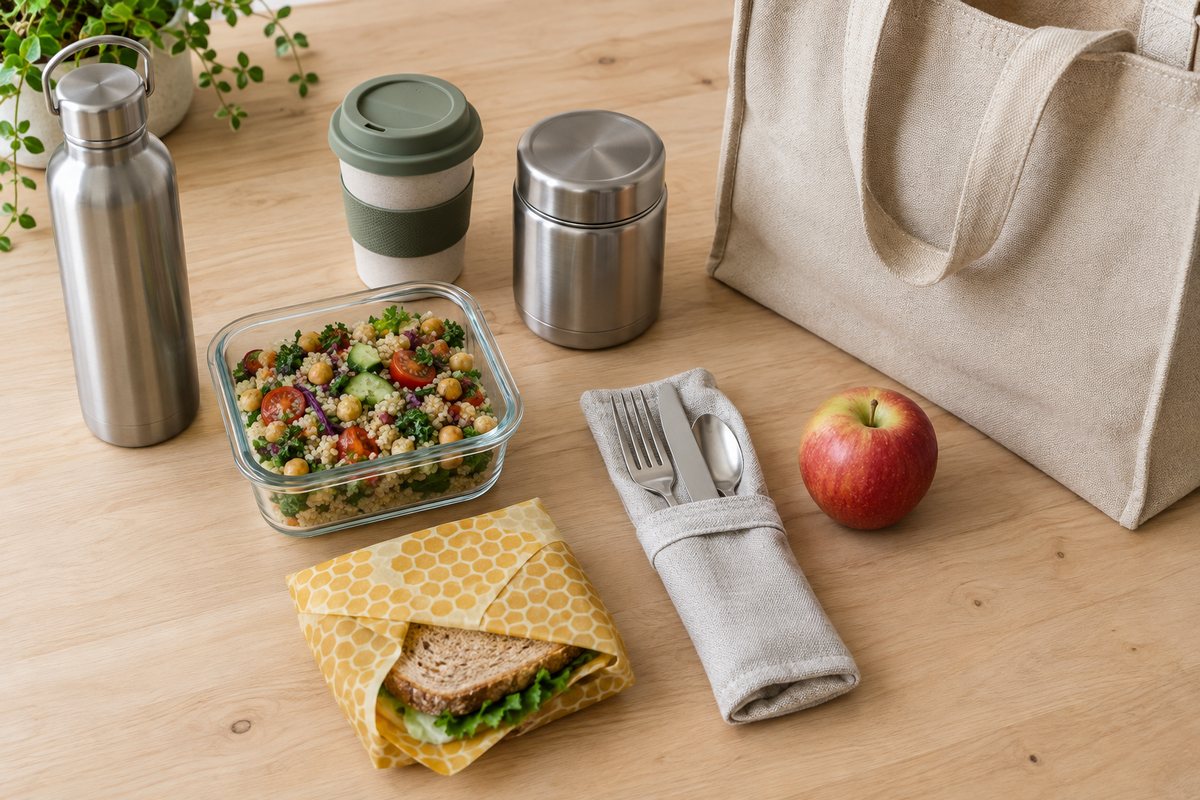
Plastic wrap around the sandwich. A plastic fork. A single-use bottle of water. A paper bag that goes straight in the bin. A typical takeaway or "grab and go" lunch can create a surprising amount of rubbish, every single workday. If you want to cut down, you are part of a big trend: how to pack a zero-waste lunch is one of the most common questions from people trying to live more sustainably, especially in the UK, Australia and Canada.
The good news is that a low-waste lunch is also usually cheaper, healthier and tastier. You do not need to be perfect, and you do not need to buy a whole new kitchen. This guide walks you through the swaps that make the biggest difference, step by step.
Quick answer: to pack a zero-waste lunch, use reusable containers, cutlery from home, a refillable water bottle, a reusable coffee cup and a cloth napkin, and carry it all in a reusable insulated lunch bag. Fill your containers with leftovers or food bought with as little packaging as possible. Start with one swap a week rather than changing everything at once, and use what you already own before buying anything new. Small, steady changes add up to a big difference over a year.
Why Your Lunch Matters
Packaging is one of the biggest sources of household waste. The U.S. Environmental Protection Agency (EPA) reports that containers and packaging made up 82.2 million tons of municipal solid waste in 2018, about 28.1% of the total. Much of that is food and drink packaging.
Food waste is the other half of the story. The EPA says the average family of four spends almost $3,000 a year on food that does not get eaten, and recommends planning meals and using leftovers to cut waste. Their guide to preventing wasted food at home is a good place to start. Packing yesterday's dinner for today's lunch is one of the simplest ways to do both.
What "Zero-Waste" Really Means
Zero-waste is a goal, not a test. In practice, it means:
- Reusing containers, cutlery and bottles instead of throwing them away
- Reducing packaging when you shop
- Using up food so less of it ends up in the bin
- Composting or recycling what is left, where your area allows it
Start with one swap. Once it becomes a habit, add another.
The Zero-Waste Lunch Kit
These reusable items replace most of the single-use waste in a typical work lunch:
- Leak-proof food containers in glass or stainless steel, or the plastic ones you already own. Using what you have is the most sustainable choice.
- A vacuum-insulated food jar for soups and hot meals
- Reusable cutlery from your kitchen drawer, wrapped in a cloth napkin
- A reusable water bottle
- A reusable coffee cup
- Beeswax wraps or small silicone bags for sandwiches and snacks
- A cloth napkin instead of paper towels
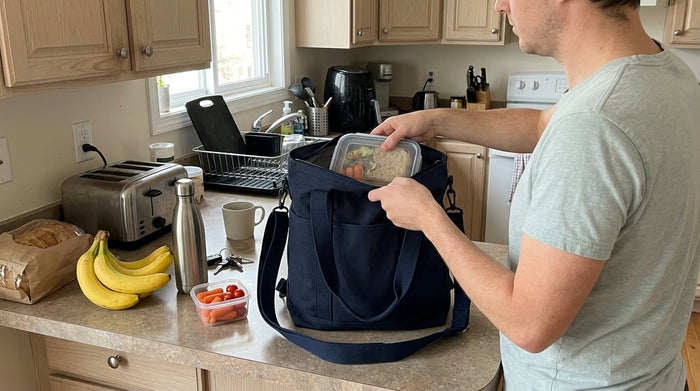
- An insulated lunch bag or compartment that replaces paper and plastic bags
Step 1: Swap Single-Use Packaging
Look at what you threw away after lunch last week. That list is your to-do list. Common swaps:
- Plastic wrap → beeswax wrap, a container or a silicone bag
- Plastic cutlery → metal cutlery from home
- Bottled water → a refillable bottle
- Takeaway coffee cup → a reusable cup
- Paper napkins → a cloth napkin
- Single-serve yogurt pots → yogurt from a large tub, spooned into a small jar
- Individually wrapped snacks → snacks bought in bulk and portioned at home
Step 2: Plan Lunches to Cut Food Waste
A zero-waste lunch kit does not help much if half the food in your fridge goes off. A few habits help:
- Plan your week before you shop, and buy only what you need.
- Cook extra dinner and pack it for lunch the next day.
- Use a "use it up" day each week to turn leftover vegetables into a soup, frittata or fried rice.
- Freeze portions you will not eat in time.
- Keep lunch cold so it does not spoil. The USDA recommends using an insulated lunch bag with ice packs for perishable food.
For a full batch-cooking plan, see our guide to meal prep for busy workdays.
Step 3: Shop With Less Packaging
- Buy loose fruit and vegetables instead of pre-packed bags.
- Choose larger packs of staples (rice, oats, pasta, beans) over single servings.
- Bring your own containers to bulk stores or deli counters, where allowed.
- Bake simple snacks at home, such as muffins or flapjacks.
- Choose drinks in returnable or recyclable containers.
Zero-Waste Lunch Ideas
- Leftover stir-fry with rice, in a single container.
- Homemade soup in a food jar. See how to keep lunch warm without a microwave.
- A grain salad with chickpeas, cucumber, tomato and herbs.
- A sandwich in a beeswax wrap with fruit and a homemade cookie.
- A "picnic box" of cheese, crackers from a large box, vegetables and hummus.
- Overnight oats in a jar.
- Pasta bake leftovers, eaten cold or warmed up at work.
Many of these taste great cold. For more ideas, see 25 cold lunch ideas for work.
Keeping Reusables Clean
Reusable items only work if they are clean and pleasant to use. Rinse containers as soon as you finish eating, wash them properly at home, and let them dry fully before packing them again. Wipe your lunch bag weekly. If it has started to smell, our guide on how to clean an insulated lunch bag will help.
The Money Bonus
Low-waste lunches are usually cheaper than buying lunch out, because you are cooking from basic ingredients and using leftovers. Read our guide on how to save money by packing lunch for work to work out your own numbers.
Common Mistakes
- Buying a whole new set of "eco" products at once. Use what you already have first.
- Forgetting reusables at home. Keep cutlery and a napkin permanently in your bag.
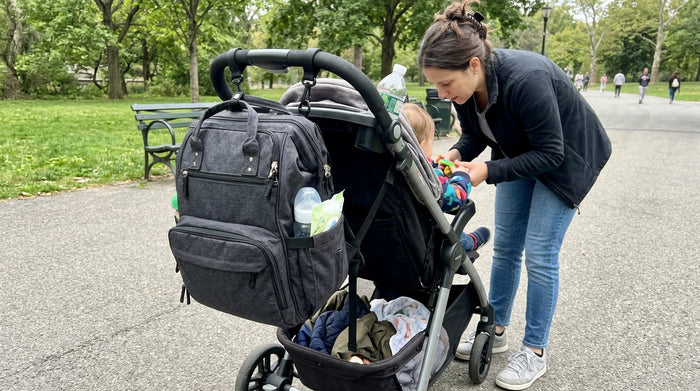
- Carrying too many separate bags. A lunch bag, a coffee cup, a water bottle and a work bag quickly become a juggling act. Our article on the hidden cost of the morning juggle explains why that matters.
- Giving up after one bad week. Progress counts more than perfection.
Zero-Waste Snacks and Coffee
Lunch is only part of the workday. Snacks and drinks often create even more packaging waste. Some easy swaps:
- Coffee: bring a reusable cup, or make coffee at home in a vacuum flask. Some cafés offer a small discount for bringing your own cup.
- Tea: keep loose tea or a box of tea bags at your desk instead of buying bottled drinks.
- Snacks: buy nuts, dried fruit, oats and crackers in larger packs and portion them into small jars or containers.
- Fruit: bananas, apples and oranges come in their own packaging.
- Homemade bakes: a batch of muffins or energy balls on Sunday covers snacks for the week.
Zero-Waste at the Office
Your workplace can make low-waste lunches easier or harder. A few ideas you can suggest to your team or office manager:
- A shared drawer of real cutlery, plates and mugs in the kitchen
- Clear recycling and food waste bins
- A water filter or refill station instead of bottled water
- Space in the fridge for packed lunches
- A monthly shared lunch where everyone brings a homemade dish
Small changes like these help everyone, not just the people who already pack lunch.
How Long Do Reusables Last?
Good reusable containers, bottles and bags can last for years if you look after them. Glass and stainless steel containers are very durable. Silicone bags and beeswax wraps last many months with gentle washing; beeswax wraps can often be refreshed with a little new wax. The longer you use something, the better its environmental payoff. That is why it is worth choosing a few items you really like using, rather than lots of cheap ones you will soon replace.
The same goes for the bag you carry every day. A sturdy, easy-to-clean bag that you are happy to use for years is a better choice than several cheap bags that wear out quickly. Our guide on how to clean a tote bag explains how to keep yours in good shape.
Our Pick: A Reusable Bag That Replaces Three
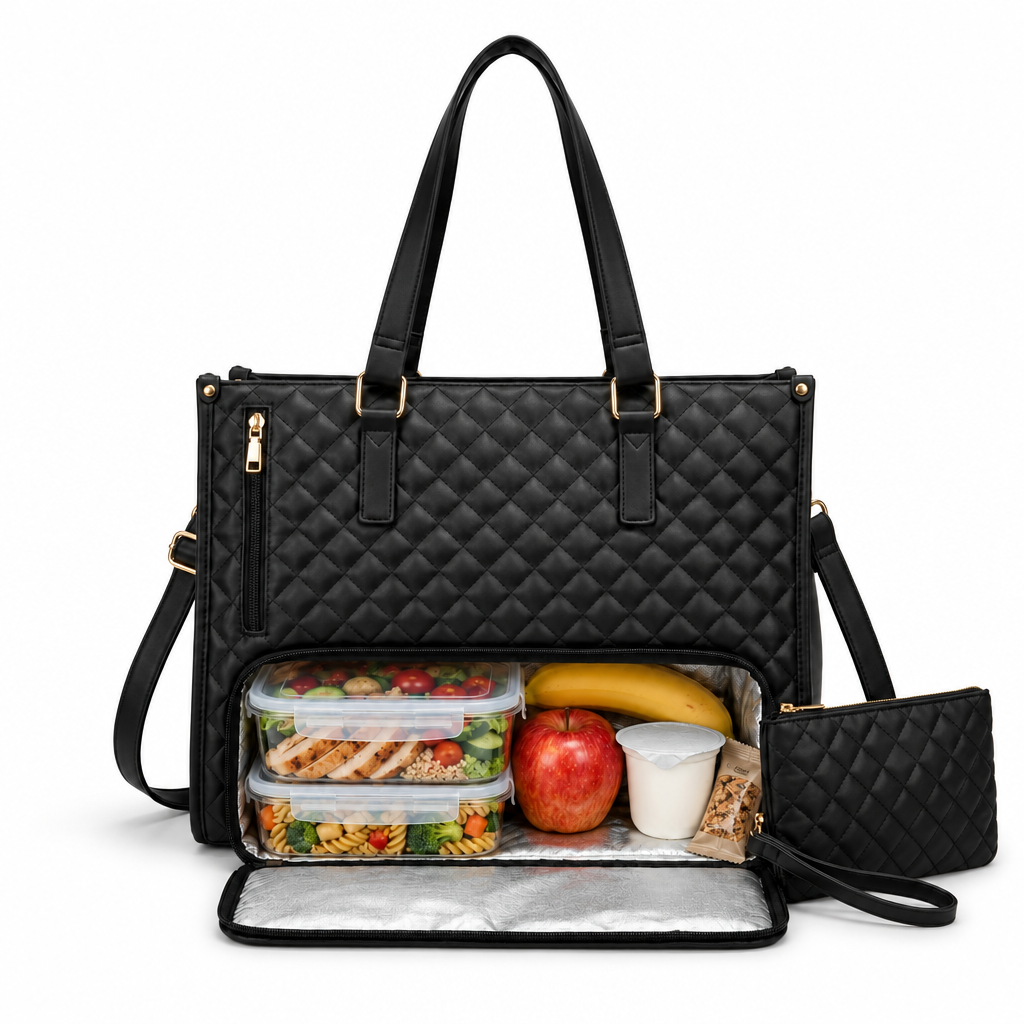
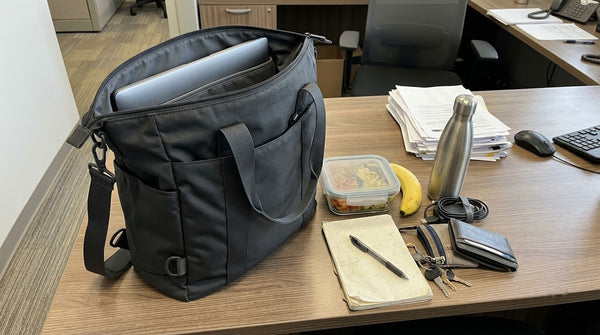
The most sustainable bag is the one you use every day for years. The JELRIX 3-in-1 Totebag combines a work tote, an insulated lunch bag and an organizer, so you can replace several bags with one:
- A leak-proof insulated food compartment for your reusable containers, keeping meals warm for up to 5 hours or cold for up to 10.
- Space for laptops up to 17", separate from your food.
- 7 smart compartments plus a secure zip pocket for your water bottle, cup and cutlery.
- An easy-to-clean lining and waterproof exterior.
It ships in 3 to 5 days with tracking and comes with 30-day easy returns.
Your First-Week Zero-Waste Challenge
- Monday: bring your own water bottle.
- Tuesday: bring your own coffee cup.
- Wednesday: pack leftovers in a reusable container.
- Thursday: keep cutlery and a cloth napkin in your bag.
- Friday: look at your bin. What could you swap next week?
Key Takeaways
- Start with one swap at a time: water bottle, coffee cup, containers, cutlery.
- Use what you already own before buying new "eco" products.
- Planned leftovers cut both packaging and food waste.
- Keep food cold and safe with an insulated lunch bag or compartment.
- Choose durable reusables, including your bag, that you will use for years.
A zero-waste lunch is a habit built over time. Some weeks you will forget your cup or buy a sandwich in plastic, and that is fine. What matters is the overall direction. Over a year, a reusable bottle, cup and lunch kit can replace hundreds of single-use items, and that change is something you can see in your own bin at home and at work.
Frequently Asked Questions
What is the easiest zero-waste swap to start with?
A reusable water bottle or coffee cup. Both are easy to remember, replace single-use items every day and often save money too.
How do I pack a zero-waste lunch?
Use reusable containers, cutlery, a water bottle, a coffee cup and a cloth napkin. Pack leftovers or food bought with little packaging, and carry it in a reusable insulated lunch bag.
What can I use instead of plastic wrap for sandwiches?
Beeswax wraps, silicone bags, a cloth sandwich wrap or a simple reusable container all work well.
Is a zero-waste lunch more expensive?
Usually not. After you have a few reusable basics, packing lunch from simple ingredients and leftovers is generally cheaper than buying packaged food.
How do I keep a zero-waste lunch cold without plastic ice packs?
You can freeze a reusable water bottle or a small container of water and use it as an ice pack. Keep it in an insulated bag or compartment and store your lunch in a fridge at work if possible.
How much waste does packaging create?
The EPA reports that containers and packaging made up 82.2 million tons of U.S. municipal solid waste in 2018, about 28.1% of the total.