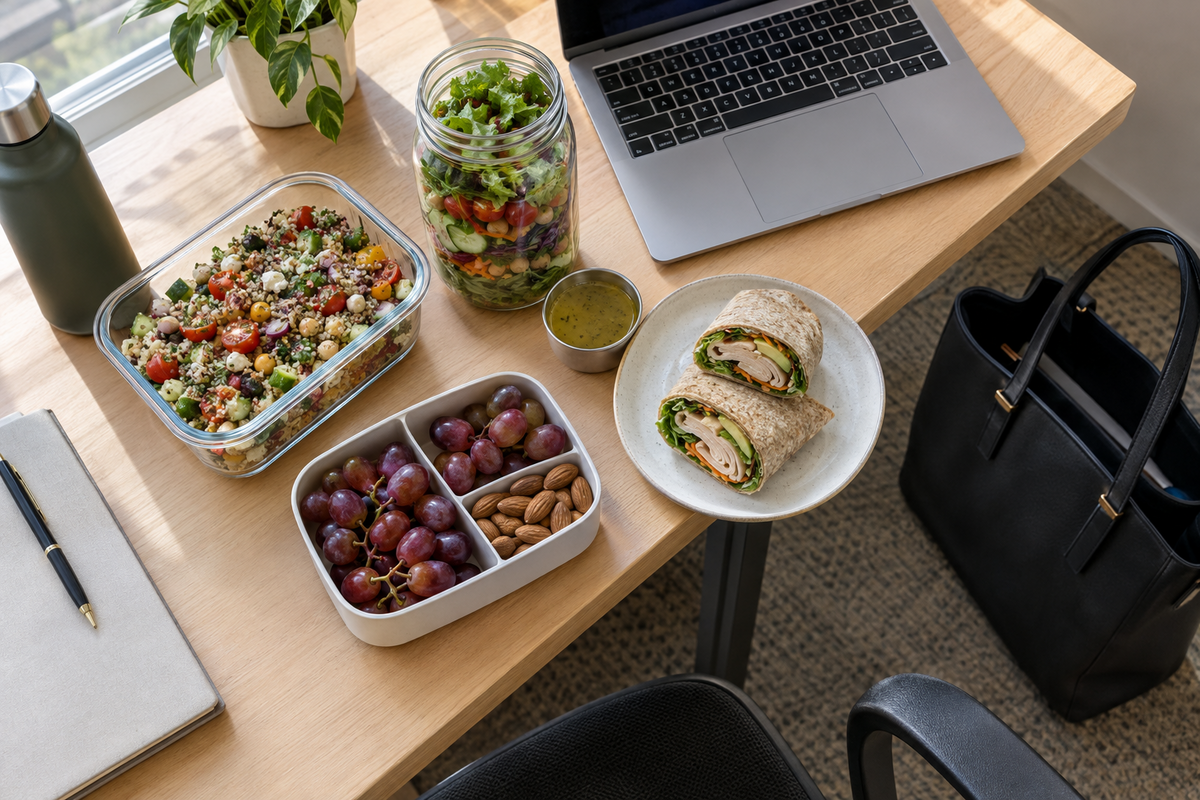
It's 12:15 and the line for the office microwave is six people deep. Someone is reheating fish. Your break is 30 minutes, and you'll spend half of it waiting. Or maybe you work somewhere with no microwave at all: a classroom, a hospital ward, a job site, a train seat between meetings.
The fix is simple: food that's meant to be eaten cold. These cold lunch ideas for work need no heating, hold up from morning to noon, and taste good straight out of the container. Below you'll find 25 ideas, how to pack them so nothing gets soggy, food safety basics, a sample week and a short shopping list.
Why No-Heat Lunch Ideas Work So Well
Good cold lunch ideas for work free you from the microwave queue and the "what's for lunch" panic. It also opens up a whole category of food that's often better cold: grain salads, wraps, protein boxes, noodle salads and dips.
- No waiting: eat at your desk, in the car or on a park bench.
- Prep once: most ideas below keep for 3 to 4 days in the fridge, so one Sunday session covers most of the week.
- Healthier by default: cold lunches lean on vegetables, beans, eggs, lean proteins and whole grains.
- Saves money: packing lunch with groceries you already buy almost always costs less than a café sandwich or takeout, and it adds up across a working month.
25 Cold Lunch Ideas for Work (No Microwave Needed)
These lunch ideas for work need no microwave. Mix and match bases, proteins and dressings.
Salads and Bowls
- Mason jar Cobb salad: layer dressing, tomatoes, chopped egg, chicken, avocado (tossed in lemon) and lettuce last; shake into a bowl at lunch.
- Greek chickpea salad: toss chickpeas, cucumber, red onion, olives and feta with olive oil and lemon. It gets better as it sits.
- Kale Caesar with chicken: kale holds up to dressing far longer than romaine, so you can dress it in the morning.
- Burrito bowl: cold rice, black beans, corn, salsa, cheese and shredded chicken. Pack sour cream or guacamole in a small cup.
- Tuna-stuffed avocado kit: pack tuna salad in one container and a whole avocado; halve and fill it at lunch.
Wraps and Sandwiches That Don't Get Soggy
- Turkey and hummus wrap: spread hummus edge to edge as a moisture barrier, then add turkey, spinach and shredded carrots.
- Chicken Caesar wrap: use a thick dressing, roll tightly and wrap in foil or parchment to hold its shape.
- Pinwheels: cream cheese, ham or smoked salmon and cucumber rolled in a tortilla, then sliced into rounds.
- "Dry" sandwich, wet fillings separate: build bread, meat and cheese at home; add tomato and pickles at lunch from a small container.
- Lettuce wraps: pack crisp butter lettuce leaves and a container of chicken or egg salad, then assemble at your desk.
Protein Boxes and Snack Plates
- DIY bistro box: hard-boiled eggs, cheese cubes, grapes, almonds and whole-grain crackers.
- Mezze plate: hummus, falafel (great cold), cucumber, cherry tomatoes and pita.
- Grown-up "lunchable": sliced turkey or salami, crackers, cheddar and apple slices.
- Cottage cheese or Greek yogurt bowl: pack berries and granola separately so the crunch survives.
- Smoked salmon plate: salmon, cream cheese, capers, cucumber and rye crispbread.
Pasta and Grain Salads
- Pesto pasta salad: short pasta, pesto, cherry tomatoes, mozzarella pearls and spinach.
- Italian pasta salad: rotini, salami, peppers, olives and a red wine vinaigrette.
- Quinoa and roasted vegetable salad: roast vegetables on Sunday, toss with quinoa and a lemon-tahini dressing.
- Tabbouleh with chickpeas: bulgur, parsley, mint, tomato, lemon and olive oil, with chickpeas for protein.
International Ideas
- Cold sesame noodles: soba or spaghetti with peanut-sesame sauce, cucumber, carrot and edamame.
- Vietnamese-style rice paper rolls: shrimp or tofu, herbs, vermicelli and lettuce. Pack the dipping sauce separately.
- Onigiri or sushi-style rice bowl: seasoned rice with canned salmon or tuna, cucumber, avocado and nori strips.
Vegetarian Ideas
- Caprese grain bowl: farro, tomatoes, mozzarella, basil and a drizzle of balsamic.
- Black bean and corn salad: beans, corn, peppers, red onion, cilantro and lime. Scoop it up with tortilla chips.
- Egg salad on crispbread: mash eggs with Greek yogurt and mustard; keep the crispbread separate until lunch.
How to Pack Cold Lunches So They Stay Fresh (and Never Soggy)
Most "sad desk lunch" problems come down to packing, not recipes, so even the best cold lunch ideas for work need these habits.
- Keep dressing separate. Use a small leak-proof cup or jar and add it right before you eat. The exception is sturdy salads like kale, chickpea or grain salads, which can be dressed ahead.
- Layer wet to dry. In a jar or deep container: dressing at the bottom, then hard vegetables, then grains and proteins, then soft greens on top.
- Build moisture barriers. Hummus, cream cheese, butter or a lettuce leaf between bread and wet fillings keeps sandwiches intact.
- Pack crunchy items on their own. Crackers, chips, granola, nuts and croutons go in a separate bag or compartment.
- Use bento-style containers. Divided containers stop juicy fruit from soaking your crackers.
- Dry your produce well. Wet lettuce wilts fast.
- Stop browning. Toss avocado, apple and pear in a little lemon or lime juice.
When your lunch bag also has to hold a laptop, a water bottle and your daily essentials, the container plan matters even more. Our 10-minute work tote checklist covers how to fit it all in without the scramble.
Food Safety Basics for No-Heat Lunches
Cold lunches are only safe if they actually stay cold. According to the USDA, bacteria multiply rapidly between 40°F and 140°F (4°C to 60°C), and perishable food shouldn't sit at room temperature for more than 2 hours, or 1 hour when it's above 90°F (32°C).
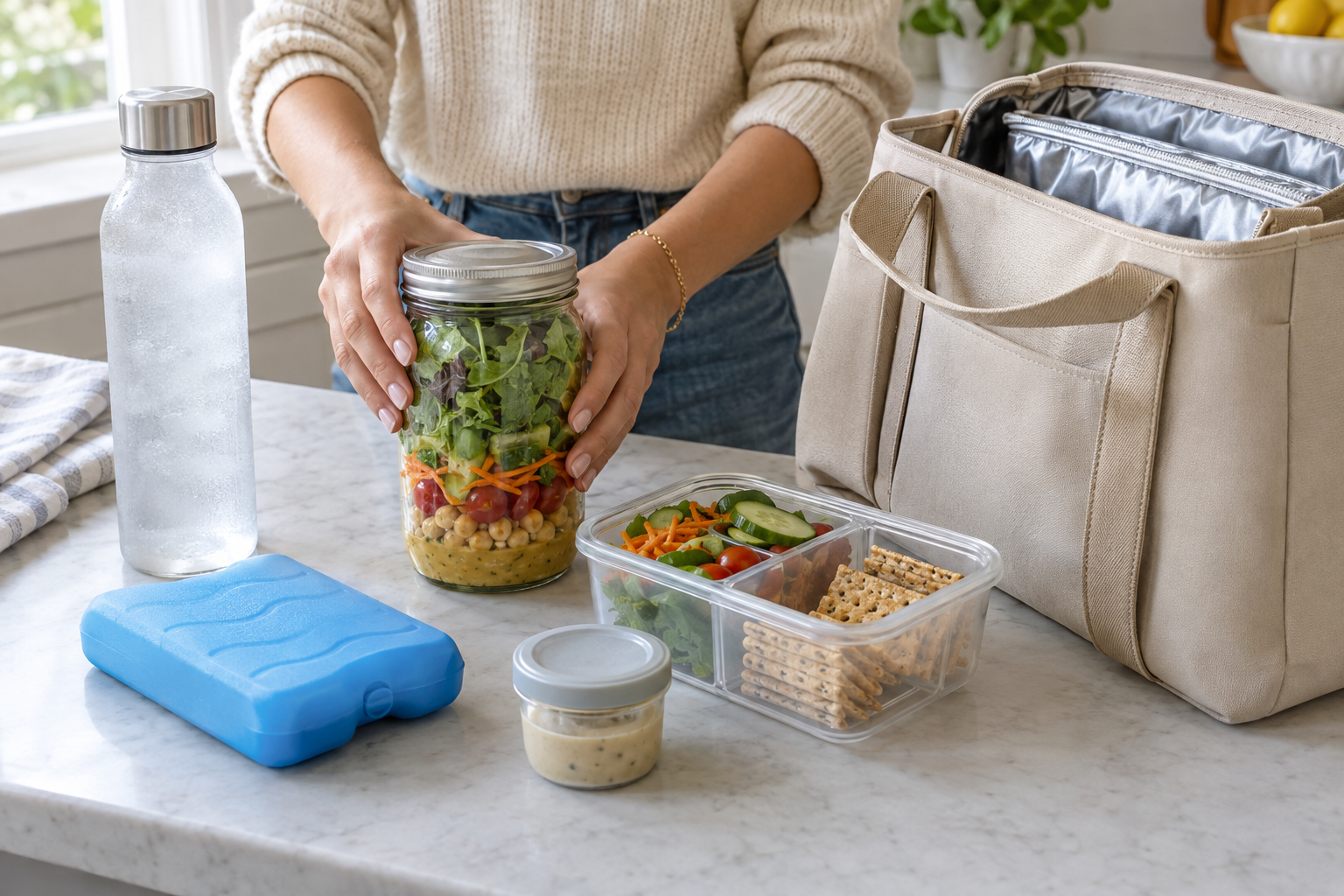
- Use at least two cold sources. An ice pack plus a frozen water bottle or a frozen yogurt tube works well, packed in an insulated bag.
- Freeze some items overnight. Frozen grapes, a frozen drink or a frozen yogurt cup double as extra cooling.
- Refrigerate at work if you can. Even with ice packs, a fridge is the safest option for long days.
- Watch the risky foods. Egg, mayo, dairy, cooked rice, meat and seafood need the most care. Keep them cold the whole time.
- Toss leftovers. If your lunch sat out all afternoon, don't bring it home to eat later.
For a deeper look at prepping a full week safely, read our guide to meal prep for busy workdays.
A 5-Day Sample Week of Easy Work Lunches
Here's how a week of healthy packed lunch ideas for adults could look, using one Sunday prep session (cook a batch of quinoa, boil eggs, roast chicken, chop vegetables).
| Day | Main | Side | Prep note |
|---|---|---|---|
| Monday | Greek chickpea salad | Pita and hummus | Dressed ahead; holds well |
| Tuesday | Turkey and hummus wrap | Apple slices and almonds | Roll the night before, wrap tightly |
| Wednesday | Quinoa and roasted vegetable bowl | Greek yogurt with berries | Uses Sunday's quinoa and vegetables |
| Thursday | Cold sesame noodles with edamame | Cucumber spears | Sauce in a separate cup |
| Friday | DIY bistro protein box | Grapes and crackers | No cooking, just assemble |
Swap days freely, and rotate textures so you don't burn out by Wednesday.
The Budget Angle: Why Packing Lunch Pays Off
Buying lunch every workday is one of those costs that hides in plain sight. A packed lunch made from groceries is usually a fraction of the price of a café sandwich, a salad bar box or a delivery order, and the gap grows when you add the drink and snack you'd probably buy too.
A few ways to stretch your grocery budget further:
- Cook once, eat three ways. One roast chicken becomes a wrap, a Cobb salad and a noodle bowl.
- Lean on pantry staples. Canned beans, tuna, salmon, pasta, rice and quinoa are affordable and keep for months.
- Buy seasonal produce. It's usually cheaper and tastes better.
- Plan for leftovers. Make extra dinner on purpose and turn it into tomorrow's cold lunch.
Cold Lunch Shopping List
Stock these and you can build most of the 25 lunches above without a special trip.
- Proteins: eggs, rotisserie chicken, deli turkey, canned tuna or salmon, chickpeas, black beans, tofu, edamame, feta, cheddar, mozzarella
- Grains and bases: quinoa, short pasta, soba noodles, rice, tortillas, pita, whole-grain crackers, rye crispbread, rice paper
- Produce: kale, spinach, butter lettuce, cucumber, cherry tomatoes, peppers, carrots, red onion, avocado, lemons, limes, apples, grapes, berries
- Flavor: hummus, pesto, salsa, tahini, peanut butter, soy sauce, balsamic, olive oil, mustard, Greek yogurt
- Packing gear: divided containers, small dressing cups, mason jars, ice packs, foil or parchment
Our Pick: One Bag for Lunch and Laptop
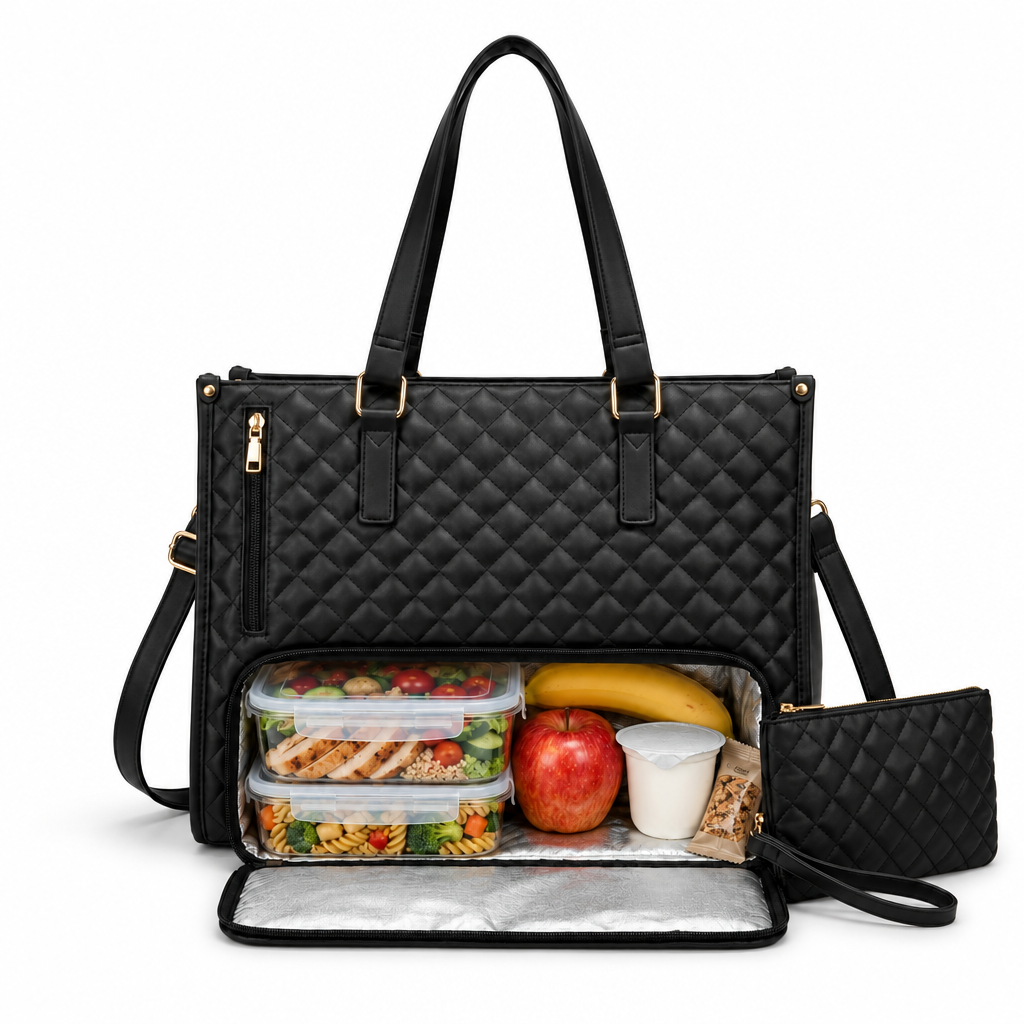
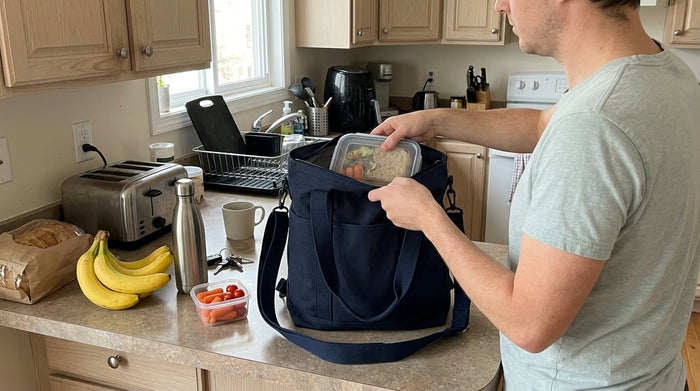
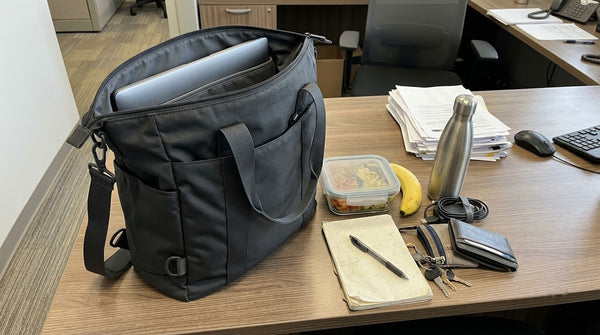
A great cold lunch still needs a cold, safe way to get to work. If you're juggling a work bag in one hand and a separate lunch bag in the other, the JELRIX 3-in-1 Totebag combines a work tote, an insulated lunch bag and an organizer in one structured bag.
The insulated, leak-proof food compartment keeps drinks cold for up to 10 hours (and warm meals for up to 5), so your ice packs, salad jar and protein box ride separately from your laptop, which fits up to 17". Seven interior compartments handle the small stuff, and a hidden zip pocket keeps your phone and cards secure. The waterproof exterior and easy-clean lining help if a dressing cup ever slips.
It suits commuters, teachers, nurses and office workers who carry lunch daily. If you only grab takeout, you probably don't need it. It's $69, comes with a 30-day money-back guarantee (see our refund policy), and bundle savings are available if you're buying for coworkers or friends.
What the Experts Say
Cold lunches are also a smart way to use leftovers. The U.S. Environmental Protection Agency says the average family of four spends almost $3,000 a year on food that does not get eaten, and recommends planning meals and using up leftovers to cut waste.
Keep Reading
Craving something warm on colder days? Our guide on how to keep lunch warm without a microwave at work shows you how to pack a hot lunch that stays safe until noon. To keep these cold lunches fresh, read how long an insulated lunch bag keeps food cold, and when your lunch bag starts to smell, follow our steps on how to clean an insulated lunch bag.
Packing lunch every day? See how to save money by packing lunch for work, cut packaging with our zero-waste lunch guide, and make the most of your meal with a real lunch break.
Frequently Asked Questions
What can I bring for lunch at work without a microwave?
Choose foods meant to be eaten cold: grain and pasta salads, wraps, mason jar salads, protein boxes, cold noodles, rice paper rolls and mezze plates. Pack dressing separately, keep crunchy items apart and use an insulated bag with two cold sources so perishable ingredients stay below 40°F until you eat.
How do you keep a packed lunch cold without a fridge?
Use an insulated lunch bag with at least two cold sources, such as an ice pack and a frozen water bottle. Freezing a drink or yogurt overnight adds extra cooling. The USDA advises not leaving perishable food at room temperature more than 2 hours, or 1 hour above 90°F, so plan your lunch time accordingly.
How do you keep sandwiches from getting soggy?
Create a moisture barrier by spreading hummus, cream cheese or butter edge to edge on the bread. Put lettuce between bread and wet fillings, and pack tomatoes, pickles and sauces in a separate container to add at lunch. Wrapping tightly in foil or parchment also helps the sandwich keep its shape.
What are some healthy cold lunch ideas for adults?
Good options include a Greek chickpea salad, quinoa with roasted vegetables, a turkey and hummus wrap, a protein box with eggs, cheese, fruit and nuts, cold sesame noodles with edamame, and a caprese grain bowl. Aim for a protein, a fiber-rich carb and plenty of vegetables in each lunch.
How long can a cold lunch stay in an insulated bag?
It depends on the bag, the number of cold sources and the temperature around it. A good insulated bag with two cold sources can keep food cold through a morning. When in doubt, refrigerate at work, and follow the USDA rule: food left in the 40°F to 140°F range over 2 hours should be thrown away.
Sources: USDA, Use an Insulated Lunch Bag to Keep Meals Safe.