You stand by the door every morning with the same question. The backpack is sensible, but it looks like you are heading to a lecture hall, not a client meeting. The tote looks sharp with your blazer, but by Thursday your shoulder is complaining. The tote bag vs backpack for work debate is one you keep having with yourself, and neither answer feels perfect.
The honest truth: there is no single winner. The right bag depends on how you commute, what you carry, and what your workplace expects. In this tote bag vs backpack for work guide, we compare both styles point by point, gives you a simple decision list, and shows you how to make a tote far more comfortable if that is the look you prefer.
Tote Bag vs Backpack for Work: The Quick Answer
If you carry a heavy load, walk a long way, or bike to work, a backpack is usually the kinder choice for your body. Two straps spread the weight across both shoulders and your back, instead of loading one side.
If you drive, take a short train or subway ride, meet clients, or wear tailored clothes, a structured tote is usually the better fit. It looks more polished and is faster to get into.
Backpack or Tote for Work? 8 Factors Compared
1. Professionalism
A clean, structured tote reads as "office" almost everywhere. A sleek minimalist backpack can look modern, but a sporty nylon one can feel too casual in a boardroom or a parent-teacher meeting.
2. Comfort and posture
This is where backpacks win. Guidance cited by TIME suggests a bag should not weigh more than about 10% of your body weight. Orthopedic surgeon Dr. Sabrina Strickland of the Hospital for Special Surgery suggests that once a shoulder bag reaches around 6 to 7 pounds, it may be time to split the load. Heavy single-shoulder bags pull you to one side. A backpack worn on both shoulders shares that load more evenly.
3. Capacity
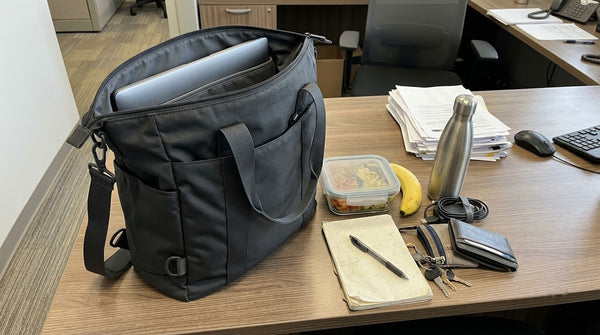
Both can hold a laptop, charger, water bottle, and lunch. Backpacks fit bulky items like gym shoes more easily. Totes are wider and more open, great for folders and a lunch container that needs to stay flat.
4. Security
A backpack sits behind you, where you cannot see it. On a crowded train, that is a real weak spot unless you swing it to the front. A tote sits under your arm, in your line of sight. The catch is that an open-top tote is easy to dip into. Look for a zip closure and an inner zip pocket for your phone and wallet.
5. Speed of access
Totes win easily. You can grab your badge or transit card without stopping. With a backpack, you usually take it off, unzip it, and dig. In and out of meetings, classrooms, or wards all day, that friction adds up.
6. Weather
Backpacks keep both hands free for an umbrella and a coffee. Totes leave one hand free. Either way, a waterproof exterior and a closed top matter more than the shape for keeping your laptop dry.
7. Commute type
Often the deciding factor. A long walk or bike ride favors a backpack. A car commute favors a tote. A short subway, train, or tube ride works with either, as long as the bag is closed and kept in front of you in crowds.
8. Outfit compatibility
Backpack straps can wrinkle blazers and mark light coats. Totes are gentler on clothes. If you dress up most days, a tote is the easier match.
Laptop Tote vs Backpack: Side-by-Side Comparison
| Factor | Tote bag | Backpack |
|---|---|---|
| Professional look | Strong, especially structured styles | Varies; sleek styles can work |
| Comfort with heavy loads | Weaker; weight sits on one shoulder | Stronger; weight spread across both shoulders |
| Capacity | Wide and open; good for flat items | Deep; good for bulky items |
| Security | Stays in view; choose a zip top | Behind you; wear on front in crowds |
| Quick access | Excellent | Slower; usually must remove it |
| Hands free | One hand | Both hands |
| Best commute | Car, short transit rides | Long walks, cycling, long transit rides |
| Kind to clothing | Yes | Can crease jackets and blouses |
Is a Tote Bag Professional Enough for the Office?
Yes, and in many workplaces it is the default. What makes a tote look professional is not the brand but a few details:
- Structure. A tote that holds its shape looks neat. A slouchy canvas tote looks more weekend.
- A closed top. A zipper keeps the inside private and tidy, which matters when you set the bag down in a meeting.
- Neutral color. Black, brown, beige, and two-tone neutrals go with almost every outfit.
- Organized interior. Pockets stop you rummaging in front of colleagues.
- No visible lunch bag. A second bag of food swinging from your wrist can undo a polished look fast.
A minimal, solid-color backpack can be professional too. If unsure, look at what senior people in your office carry.
Choose a Backpack If… / Choose a Tote If…
Use this decision list. Count which side gets more checkmarks.
Choose a backpack if…
- You walk a long way each morning and evening, or you cycle.
- Your daily load is heavy: a large laptop, gym kit, books, and lunch every day.
- You already have shoulder, neck, or back discomfort from one-sided bags.
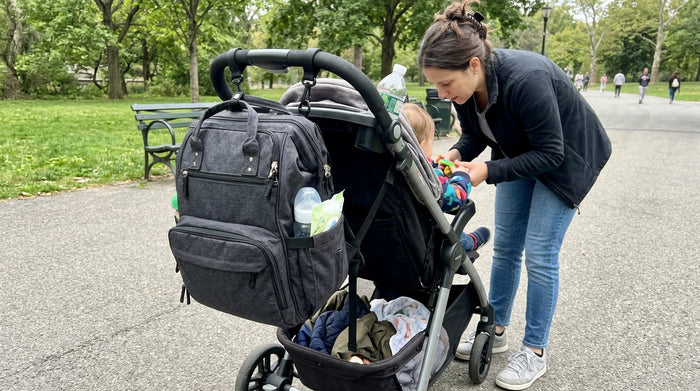
- You need both hands free for children, a stroller, coffee, or an umbrella.
- Your workplace is casual, creative, or campus-based.
Choose a tote if…
- You drive, or your transit ride is short with little walking.
- You meet clients, patients, parents, or leadership regularly.
- You dress in blazers, dresses, or delicate fabrics.
- You need to grab things quickly throughout the day.
- You can keep your load reasonable, or you are willing to slim it down.
If the lists come out even, the tote bag vs backpack for work question comes down to your heaviest day. If that day is comfortable with a tote, the tote will serve you well.
How to Make a Tote Comfortable to Carry Every Day
Most tote discomfort comes from how the bag is packed and carried, not the shape itself. These habits make a real difference.
1. Respect a weight limit
Aim for no more than about 10% of your body weight, and lighter is better. Weigh your packed bag once on a bathroom scale. If it is heading toward 6 or 7 pounds every day, trim it or split the load.
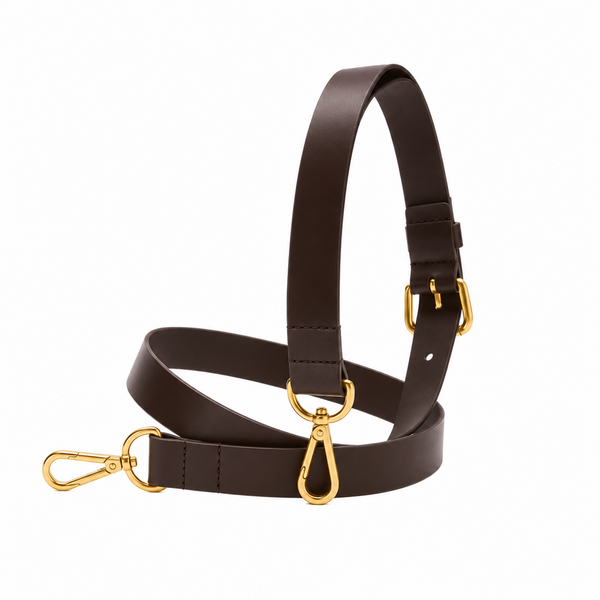
2. Look for wider straps
Thin straps concentrate pressure on a small strip of your shoulder. Wider, flat straps spread the load and dig in less.
3. Alternate shoulders
Switch sides every few minutes on your walk, and swap your "default" shoulder from day to day so one side is not doing all the work.
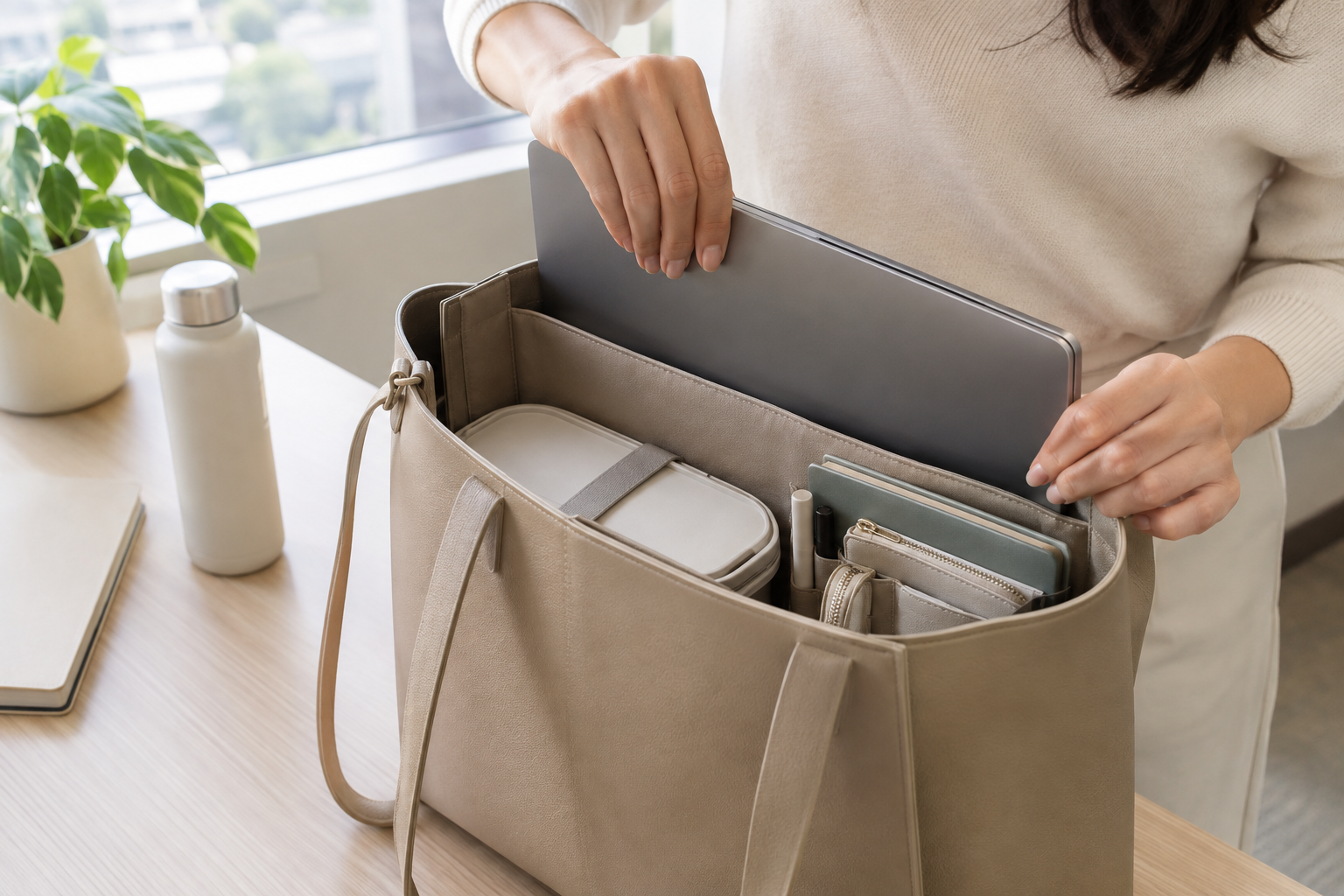
4. Pack heavy items close to your body
Slide your laptop into the section that rests against your side, not the outer edge. Heavy items close to your body pull on you less.
5. Clear out the extras weekly
Receipts, spare chargers, and forgotten bottles add weight. Empty your bag every Friday. Our 10-minute morning packing checklist helps you keep only what you need.
6. Consolidate bags so you carry one, not two
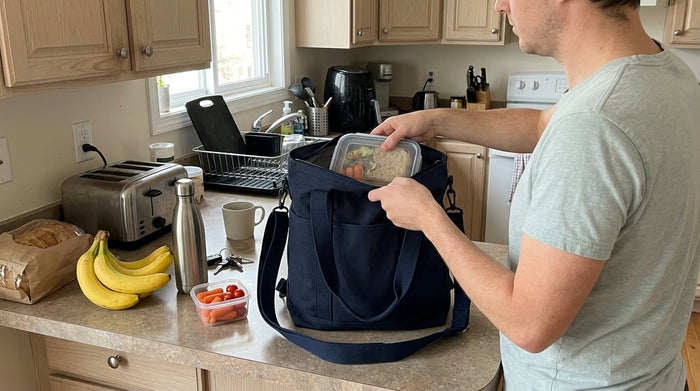
Carrying a work bag on one shoulder and a lunch bag in the other hand makes your body twist to balance it all. If your lunch can travel inside your work bag, in its own insulated section, you carry one balanced bag instead of two awkward ones.
This is the problem a 3-in-1 design solves. A work tote with a built-in insulated lunch compartment and an organizer lets you drop the extra lunch bag completely. One caveat: if everything together is still heavy, consolidating will not fix that. Then it really is time to lighten the load or switch to a backpack on long-walk days.
Best Bag for Office Commute, by Routine
- The driver. A structured tote is the natural pick.
- The subway, train, or tube commuter. A zip-top tote works well if your walk at each end is short. Keep it in front of you in crowds. Our post on anti-theft habits for city workers covers that side in detail.
- The long walker or cyclist. A backpack is usually smarter.
- The nurse or teacher. You carry lunch and essentials for a long shift, but the bag mostly sits in a locker or under a desk. A tote with an insulated lunch section keeps it all in one place.
- The parent doing school drop-off first. A backpack keeps hands free on hectic days; a tote is fine if the route is short.
Our Pick for Women Who Choose a Tote
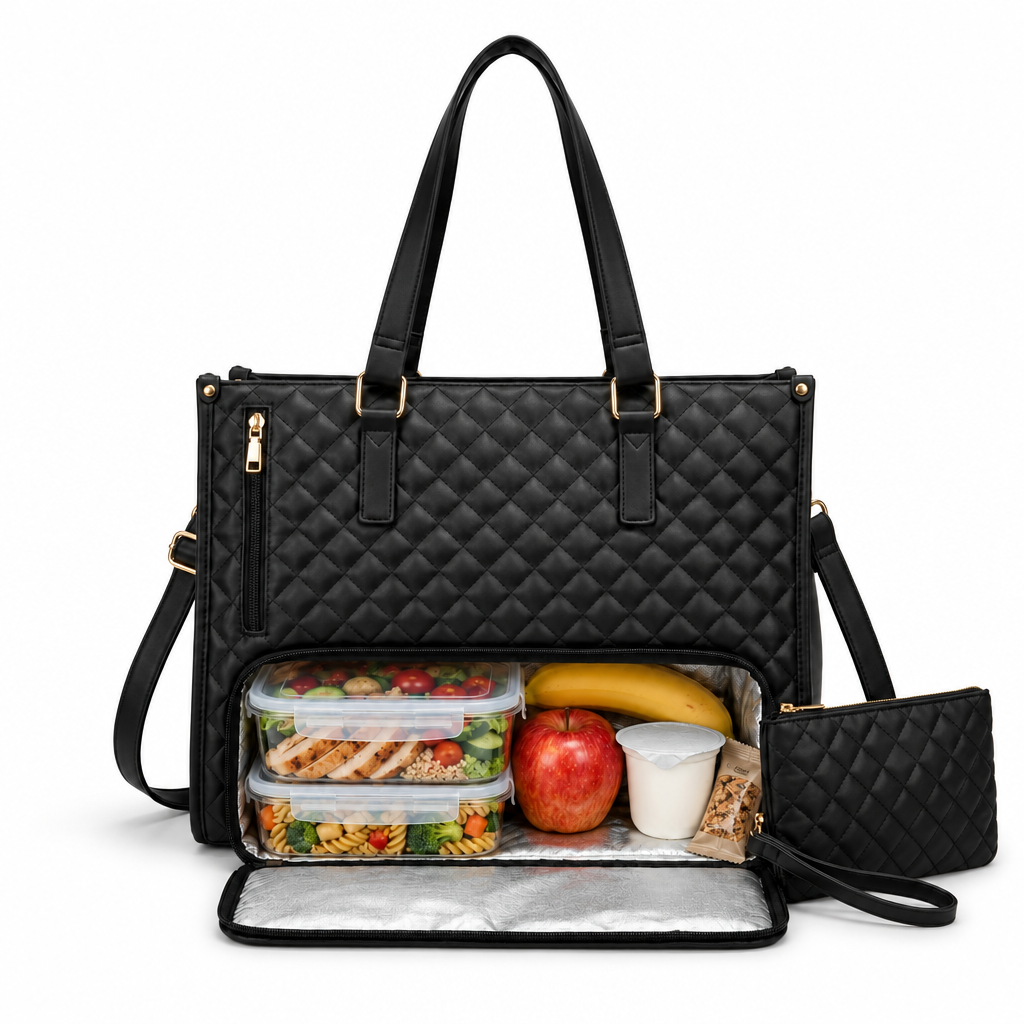
If the tote side of the list fits your routine, the JELRIX 3-in-1 Totebag was designed by a woman for exactly the one-bag workday described above. It combines a work tote, an insulated lunch bag, and an organizer. The leak-proof food compartment keeps meals warm up to 5 hours and drinks cold up to 10 hours.
It fits laptops up to 17 inches, has 7 interior compartments plus a hidden anti-theft zip pocket, and closes with a smooth zipper. The structured leather finish looks at home in an office, and the waterproof exterior handles rainy commutes.
Who it suits: drivers, transit commuters, nurses, teachers, and office workers who want a polished look with fewer bags. If you walk or cycle long distances with a heavy load every day, a backpack may still be kinder to your back. It comes with a 30-day money-back guarantee under our refund policy.
What the Experts Say
Whichever style you choose, comfort matters if you carry it every day. TIME has reported on the health risks of carrying a heavy purse, and the UK's NHS has practical advice on back pain if your load is already causing discomfort.
Keep Reading
If you lean toward a tote, make sure your laptop is protected. Our guide on whether you can carry a laptop in a tote bag explains how. Students weighing the same choice can see our college bag essentials checklist, and if weight is your main worry, read shoulder pain from a heavy purse and how heavy a bag should be.
Traveling with your work bag? Read our personal item bag checklist and our guide to conference and business trip bag essentials.
Frequently Asked Questions
Is a tote bag good for work?
Yes, a tote bag is a great work bag for many people, especially drivers, short-distance commuters, and anyone in a client-facing or dressy role. Choose a structured tote with a zip top, interior pockets, and comfortable straps. The main drawback is that weight sits on one shoulder, so keep your load light and alternate sides often.
Is it better to carry a backpack or a tote bag?
For heavy loads and long walks, a backpack is better for your body because it spreads weight across both shoulders. For a polished look, quick access, and short commutes, a tote is usually the better choice. Think about your daily load, your commute, and your dress code, then pick the bag that fits most of your workdays.
Is it unprofessional to wear a backpack to work?
Not in most workplaces today. A minimalist backpack in a solid color and smooth material can look modern and tidy. A sporty or worn-out backpack may feel too casual in formal settings like law, finance, or client meetings. If you are unsure, notice what senior colleagues carry, and keep a slimmer bag for important meetings.
How heavy should a work bag be?
Guidance cited by TIME suggests a bag should not exceed about 10% of your body weight. An orthopedic surgeon quoted in the same article suggests splitting your load once a shoulder bag reaches roughly 6 to 7 pounds. Weigh your packed bag at home, remove anything you do not use daily, and alternate shoulders.
Can a tote bag fit a laptop?
Many totes can, but check before you buy. Look for a stated laptop size, a padded or dedicated laptop section, and a structured base so the laptop does not slide or bend the bag. A zip closure helps protect it from rain and keeps it secure on crowded transit. Pack the laptop on the side nearest your body.
Sources: TIME, on the health risks of heavy bags, citing the Journal of Physical Therapy Science and Dr. Sabrina Strickland, Hospital for Special Surgery: time.com/5053206/heavy-purse-health-risks.