By mid-afternoon, it starts. A dull ache on top of one shoulder, a tight spot in your neck that you keep rubbing, maybe a twinge between your shoulder blades. You shift your handbag (purse) to the other side, then shift it back, because that side feels wrong too. If that sounds familiar, you are not imagining it. Shoulder pain from a heavy purse is one of the most common everyday aches for women who carry their whole day on one arm.
The good news: this is usually one of the easier aches to fix. You do not need a new routine or a gym membership. You need to know how heavy your bag should be, what is really inside it, and how to carry it. This guide walks you through all three, step by step.
Quick note: this article is general information, not medical advice. If you have ongoing pain or any of the warning signs listed below, please talk to a doctor or physical therapist.
Why Shoulder Pain From a Heavy Purse Happens
Your body is built to carry weight evenly. When you hang a heavy bag from one shoulder, that balance is gone, and your body quietly works to make up for it.
- You hike one shoulder. To stop the strap from slipping, you lift that shoulder slightly, often without noticing. Hold that position for a long commute and the muscles along the top of your shoulder and neck get tired and tight.
- You lean the other way. To stay upright, your torso tilts away from the bag. That uneven posture can load one side of your back more than the other.
- The strap presses in. A thin strap concentrates the weight on a small strip of your shoulder. The heavier the bag, the more it digs in.
One heavy day rarely does much. The trouble is repetition: the same shoulder, the same weight, five days a week. That is why heavy handbag shoulder pain often creeps up slowly.
Can a Heavy Bag Cause Neck and Back Pain Too?
Yes, it can. The muscles that run from your neck down to your shoulder blade are the ones doing the hiking and holding. When they stay tense for hours, heavy bag neck pain is a common result. Some people also notice stiffness when turning the head.
Your back can join in as well. Leaning away from a heavy bag puts uneven pressure on your spine and the muscles around it. Orthopedic experts quoted by TIME point to the same simple fixes covered below: carry less, switch sides, and spread the weight more evenly.
How Heavy Should a Purse Be? The 10% Rule
A guideline published in the Journal of Physical Therapy Science and cited by TIME suggests a bag should weigh no more than about 10% of your body weight. That is a ceiling, not a target. Lighter is better, especially if you carry the bag for a long time.
Here is what the 10% guideline looks like in practice:
| Your body weight | Max bag weight (about 10%) |
|---|---|
| 120 lb (54 kg) | 12 lb (5.4 kg) |
| 140 lb (64 kg) | 14 lb (6.4 kg) |
| 160 lb (73 kg) | 16 lb (7.3 kg) |
| 180 lb (82 kg) | 18 lb (8.2 kg) |
There is a second, lower number worth knowing. In the same TIME article, orthopedic surgeon Dr. Sabrina Strickland of the Hospital for Special Surgery suggests that once a bag reaches around 6 to 7 lb (roughly 3 kg), it is time to think about splitting the load rather than piling it all onto one shoulder. In other words, the 10% rule tells you the upper limit, but your shoulder will likely feel better well below it.
So for bag weight as a percentage of body weight: stay under 10%, and aim lower whenever you can.
Signs Your Bag Is Too Heavy
You do not always need a scale to know. Watch for these clues:
- You switch shoulders every few minutes on your commute.
- The strap leaves a red mark or groove on your shoulder.
- You have to lean or twist to keep the bag from sliding off.
- Your neck or upper back feels tight by the end of the workday.
If two or more sound familiar, try the exercise below.
The "Weigh Your Bag" Exercise (10 Minutes)
Most of us have no idea what our bag weighs. If you deal with shoulder pain from a heavy purse, this quick audit is the best place to start.
- Weigh yourself. Step on a bathroom scale and note the number.
- Weigh yourself holding the bag. Pick up your fully packed bag, exactly as you carry it on a normal day, and step on again.
- Subtract. The difference is your bag's weight. (A luggage scale or kitchen scale works too.)
- Compare. Check the number against the table above and against the 6–7 lb point.
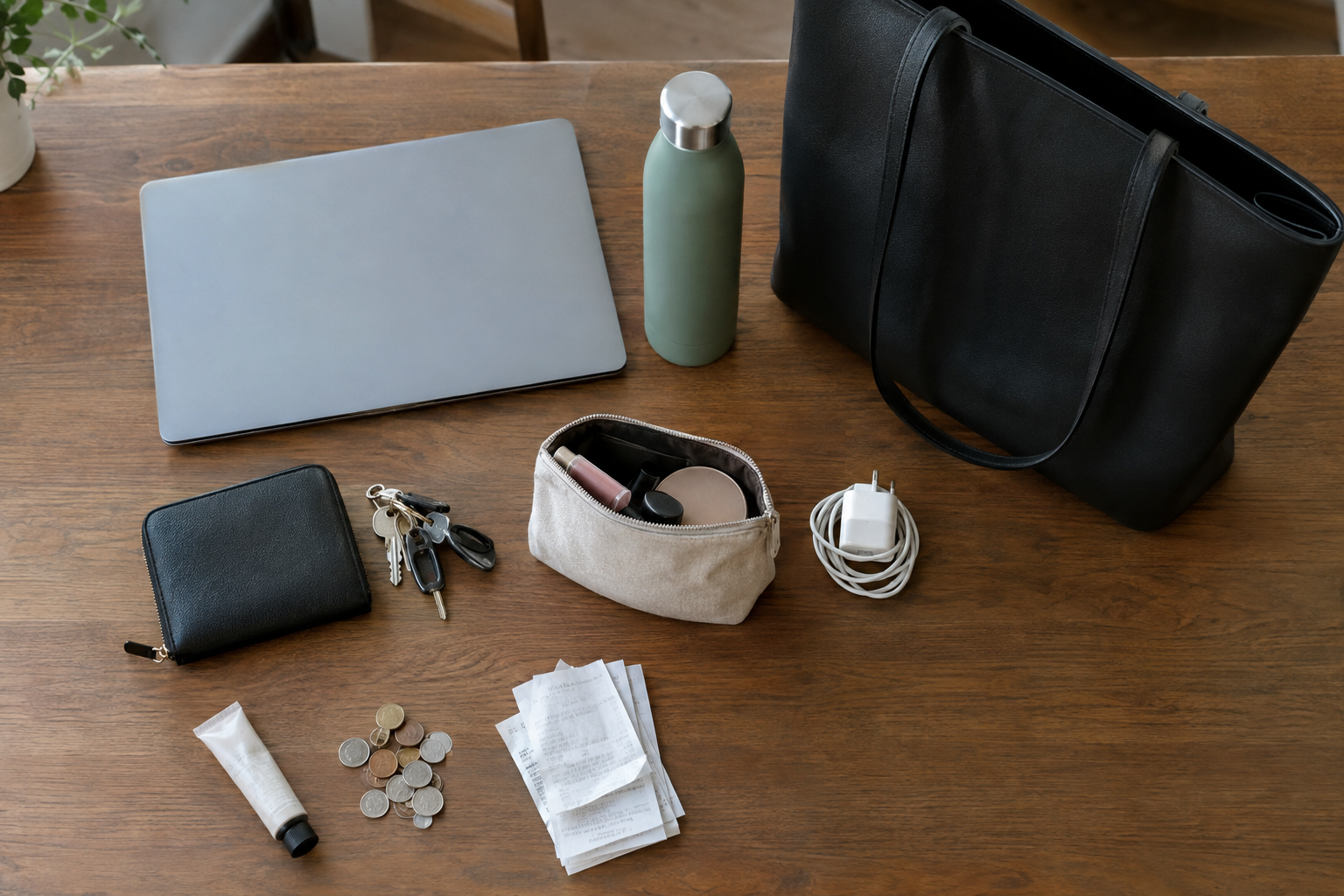
- Empty everything. Tip the whole bag out onto a table.
- Sort into three piles: "used today," "used this week," and "haven't used in a month."
- Repack only the first pile. Put the "this week" items in a drawer at work or in your car. The third pile goes home.
- Weigh again. Most people are surprised by how much lighter the bag is.
Repeat this every few weeks. Bags fill up again quietly.
How to Lighten Your Bag: What to Remove First
Start with heavy, low-value items.
Usually safe to remove
- Loose change. Coins add up fast. Use a card or phone wallet when you can.
- Duplicate items. Two lip balms, three pens, two hand creams. Keep one of each.
- Full-size toiletries. Swap to travel-size bottles or keep the big ones at your desk.
- "Just in case" items. The umbrella on a sunny forecast, the book you have not opened in weeks.
Worth rethinking
- Your wallet. A bulky wallet full of cards you rarely use can be swapped for a slim card holder.
- Water bottles. A full bottle is heavy. Carry a smaller one and refill it at work.
- Your laptop. If you can leave it at the office on some days, do. If not, its charger may be able to stay at your desk.
For a ready-made list of what deserves a spot in a work bag, see our 10-minute morning packing checklist.
How to Carry a Heavy Bag the Right Way
On heavy days, how you carry matters almost as much as what you carry.
- Switch shoulders often. Alternating sides, as experts quoted by TIME recommend, gives each side a break.
- Keep the bag close to your body. A bag that swings or hangs low pulls you off balance. Shorten the strap so the bag sits near your hip.
- Try the cross-body position if your bag allows it. Spreading the strap across your chest shares the weight more evenly.
- Put the heaviest items closest to your body, in the back of the bag, not in an outside pocket.
- Set it down when you can. On the train, subway or tube, rest it on your lap or the floor between your feet instead of keeping it on your shoulder.
Choosing an Ergonomic Bag: What to Look For
The right bag will not make weight disappear, but it can make it easier to manage. Look for:
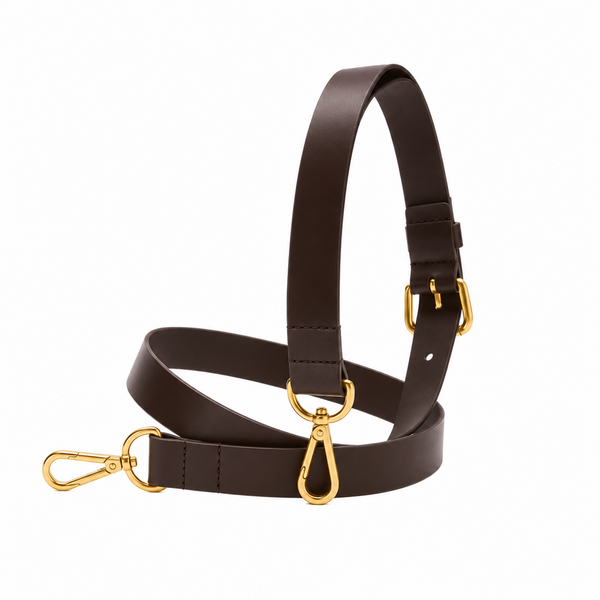
- Wide, padded or flat straps. A wider strap spreads pressure across more of your shoulder.
- A structured shape. A bag that holds its shape keeps items from sinking into one heavy lump at the bottom.
- Interior compartments. Organized pockets let you place heavy items close to your body and stop you from carrying extras you cannot see.
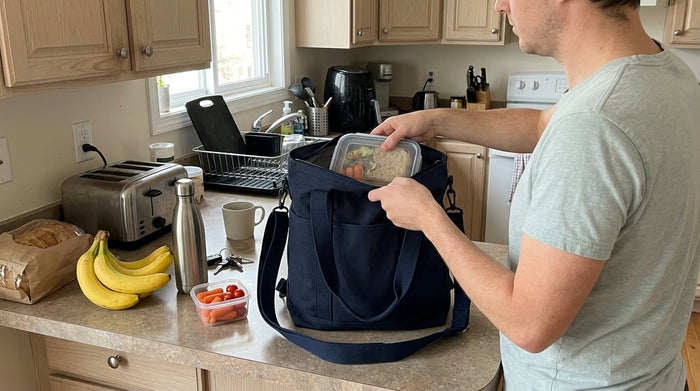
- One bag, not two. Many women carry a tote on one shoulder and a lunch bag in the same hand, so the extra weight ends up on the same side. Consolidating into one well-organized bag makes it easier to see the total, weigh it, and trim it down. (We wrote more about this in the hidden cost of the morning juggle.)
Even a well-designed bag gets heavy if it is overpacked, so still follow the 10% rule.
Our Pick: One Organized Bag Instead of Two
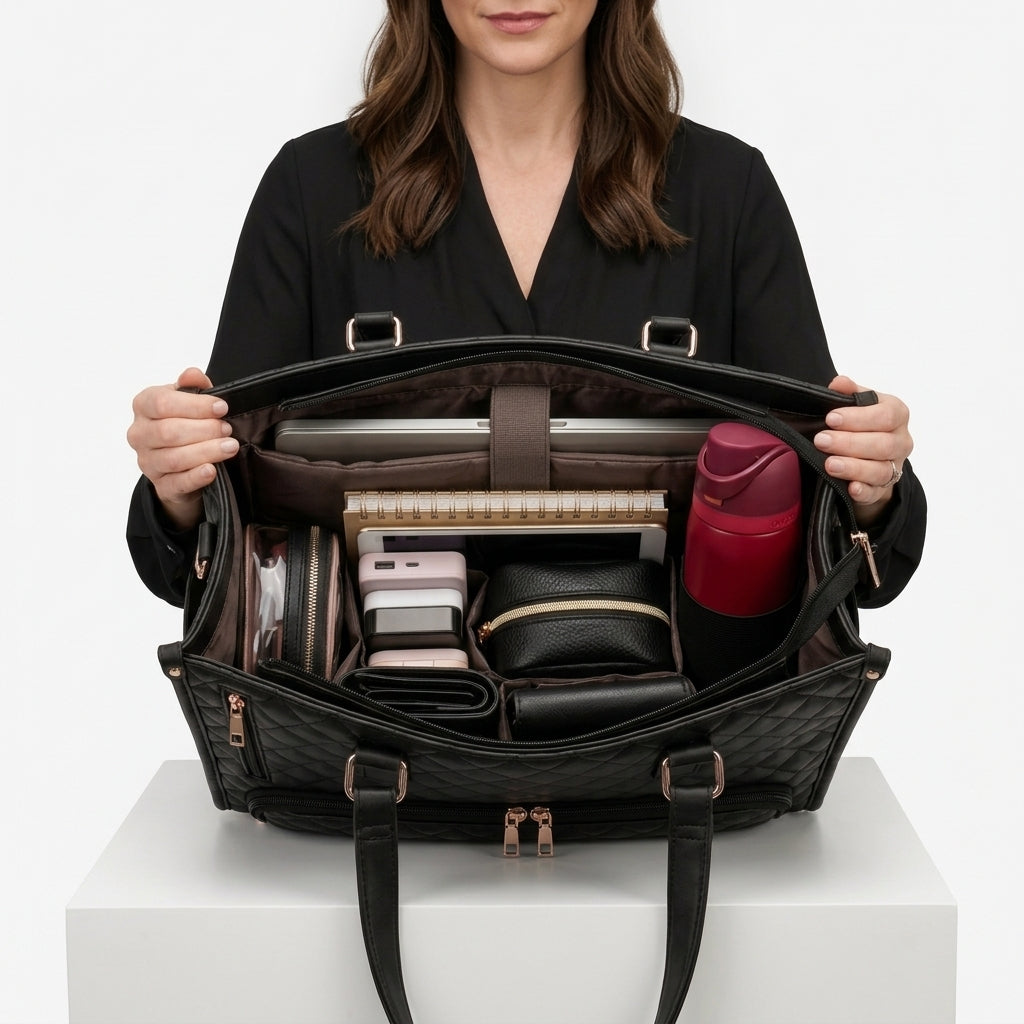
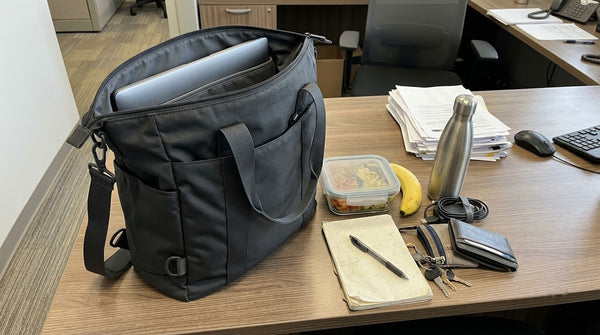
If your daily load includes a laptop and a packed lunch, you may be carrying two bags without realizing how much they add up. The JELRIX 3-in-1 Totebag combines a work tote, an insulated lunch bag and an organizer in one structured bag, so everything sits in one place you can weigh and edit.
It fits laptops up to 17", has 7 interior compartments plus a hidden zip pocket, and a leak-proof insulated food compartment that keeps meals warm up to 5 hours and drinks cold up to 10 hours. The exterior is waterproof with a leather finish, and it was designed by a woman.
To be clear: no bag can prevent pain on its own, and a full laptop plus lunch still has real weight. It suits women who already carry a separate lunch bag and want one organized bag to manage instead. It comes with a 30-day money-back guarantee (see our Refund Policy).
When to See a Doctor
If you suspect shoulder pain from a heavy purse, lightening the load and changing how you carry is a sensible first step. Still, some signs mean you should get checked by a doctor or physical therapist rather than self-manage:
- Pain that lasts more than a couple of weeks, or keeps coming back
- Numbness, tingling or a "pins and needles" feeling in your arm or hand
- Weakness in your arm, hand or grip
- Pain that wakes you at night or is severe
- Reduced movement in your shoulder or neck
A professional can find the real cause. This article cannot diagnose anything.
What the Experts Say
If you already have back or shoulder pain, the UK's National Health Service offers clear guidance on managing back pain, including staying active and when to see a GP.
Keep Reading
Once your bag is lighter, the next step is keeping it that way. Our guide on how to organize a tote bag so you can actually find things gives every item a home, so the extra weight does not creep back. If a laptop is the heaviest thing you carry, read can you carry a laptop in a tote bag? for safe, shoulder-friendly packing. And if you are choosing your next bag, compare tote bags vs backpacks for work or check the 9 features that matter in a work bag.
Start lightening your load with our purse essentials checklist, which separates the must-haves from the extras. Carrying for kids too? See working mom bag essentials.
Frequently Asked Questions
Can a heavy purse cause shoulder pain?
Yes. Carrying a heavy purse on one shoulder makes you hike that shoulder and lean the other way, which strains the muscles of your shoulder, neck and upper back. Doing it every day adds up. Lightening the bag, switching sides and using a wider strap usually help. See a doctor if pain persists.
How heavy should a purse be?
A common guideline, cited by TIME from the Journal of Physical Therapy Science, is no more than about 10% of your body weight. For a 150 lb person, that is about 15 lb. Lighter is better. One orthopedic surgeon suggests splitting the load once a bag reaches around 6 to 7 lb.
Can a heavy bag cause neck pain?
It can. When you carry a heavy bag on one side, the muscles running from your neck to your shoulder stay tense to hold the strap in place. Over a long day this can lead to stiffness, aching and sometimes tension headaches. Carrying less and alternating shoulders are simple first steps.
Is it better to carry a bag cross-body?
Often, yes. A cross-body strap spreads the weight across your chest and both sides of your upper body instead of one shoulder. Keep the strap short so the bag sits close to your hip, and keep the total weight low. A cross-body position does not make an overloaded bag safe.
How do I stop my shoulder from hurting when carrying a bag?
Weigh your bag and remove what you do not need, keep it under 10% of your body weight, switch shoulders regularly, and carry it close to your body. Choose wide straps and a structured, organized bag. If pain continues, or you feel numbness or tingling, see a doctor or physical therapist.
Sources: TIME, citing the Journal of Physical Therapy Science and Dr. Sabrina Strickland, Hospital for Special Surgery: time.com/5053206/heavy-purse-health-risks. This article is general information and not medical advice.