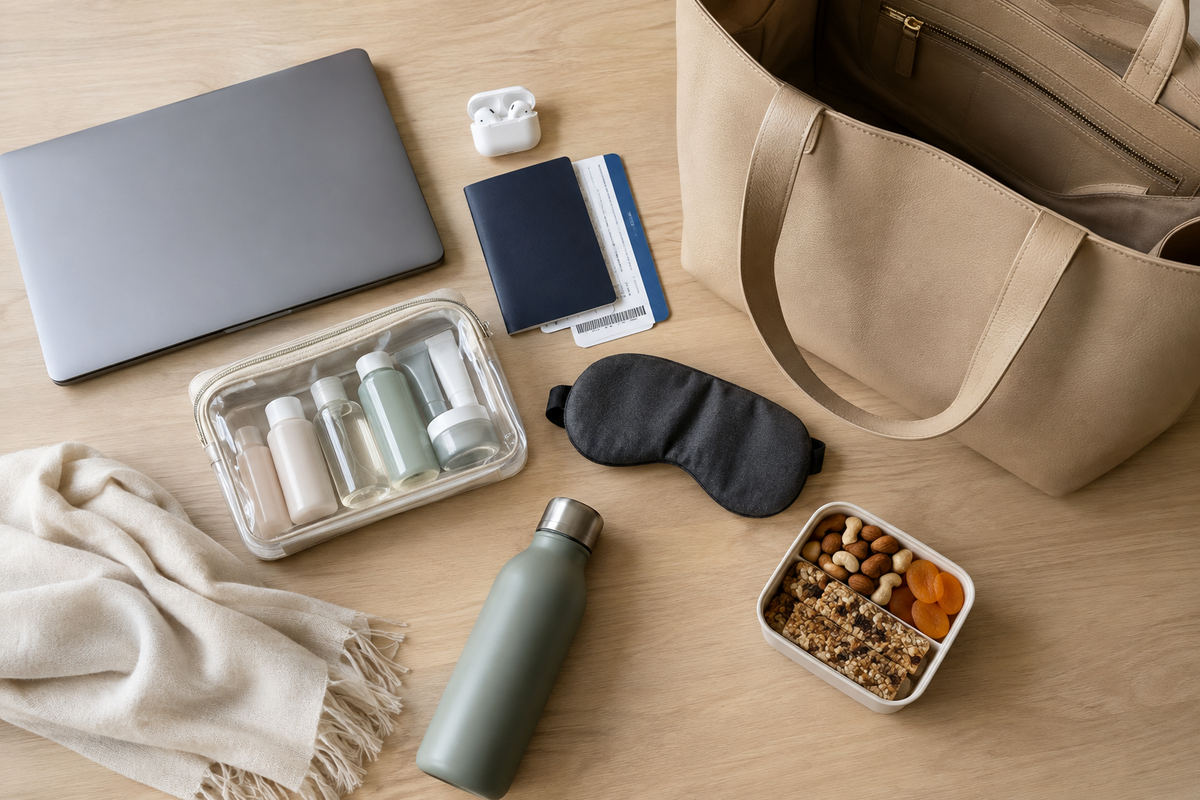
Your suitcase is checked or stowed overhead, so the bag at your feet is the one that has to do everything. It needs your passport, your phone, your laptop, your snacks, something warm for the cold cabin and whatever you need to feel human after a long flight. Pack it badly and you spend the trip standing up to dig in the overhead bin. Pack it well and the flight is easier from start to finish. This guide answers a question millions of travelers ask before every trip: what to pack in a personal item bag.
A quick note first: airlines set their own size limits for personal items, and the rules change from airline to airline and fare to fare. Always check your airline's website for the exact dimensions before you fly. This guide focuses on what to pack and how to pack it.
What Is a Personal Item?
On most airlines, a personal item is a small bag that fits under the seat in front of you, such as a handbag, a tote, a laptop bag or a small backpack. It is separate from a larger carry-on bag that goes in the overhead bin. On some basic economy fares, the personal item is the only bag included for free, which makes packing it well even more important.
Because it sits at your feet, your personal item is the bag you can reach during the flight. That is why it should hold everything you need in the air.
The Personal Item Checklist
Documents and money
- Passport or ID
- Boarding pass (paper or on your phone)
- Wallet with cards and a little local currency
- Travel insurance details and hotel address
- A pen for arrival forms
Tech
- Phone and charging cable
- Power bank (check your airline's rules for batteries)
- Headphones or earbuds
- Laptop or tablet and charger
- Travel adapter if you are going abroad
Comfort
- A light scarf, wrap or cardigan. Planes can be cold.
- Compression socks for long flights
- An eye mask and earplugs
- A travel pillow if you use one
- Lip balm and hand cream, because cabin air is dry
Toiletries (in your liquids bag)
- Toothbrush and mini toothpaste
- Face mist or moisturizer
- Deodorant
- Hand sanitizer
- Contact lens solution and case, or glasses
Health
- All of your medications, in your personal item, never in checked bags
- Painkillers
- Motion sickness remedies if you need them
- Period products
Food and drink
- An empty reusable water bottle to fill after security
- Snacks for the flight
- A packed meal for long flights or early departures
Liquids Rules: The 3-1-1 Basics
In the United States, the Transportation Security Administration (TSA) allows each passenger to bring a quart-sized bag of liquids, aerosols, gels, creams and pastes in carry-on bags, with each item in a container of 3.4 ounces (100 milliliters) or less. Medications and baby food have exemptions. Many other countries use similar 100 ml limits, though some airports are changing their rules as new scanners are installed, so check the rules for each airport on your trip.
Pack your liquids bag near the top of your personal item, so you can take it out quickly at security if you are asked to.
Can You Bring Food on a Plane?
Yes, in most cases. TSA's "What Can I Bring?" food list shows that many solid foods are allowed in carry-on bags, while liquid or spreadable foods over 3.4 ounces must follow the liquids rule. If you want to keep food cold, TSA says frozen items are allowed through the checkpoint if they are frozen solid when screened. If they are partly melted or slushy, they must meet the 3-1-1 rules.
Remember that rules for bringing food into another country are different from airport security rules. Many countries do not allow fresh fruit, meat or dairy to cross the border, so finish your snacks on the plane or check the destination's customs rules.
Packing your own food saves money and means you are not stuck with whatever is left on the trolley. For no-reheat ideas that travel well, try our 25 cold lunch ideas.
How to Pack Your Personal Item
A good layout means you can grab what you need without taking everything out. Pack in this order:
- Laptop first, upright against the back wall, so you can slide it out at security if asked.
- A light layer folded flat in the middle. It also acts as padding.
- Pouches: one for tech, one for health and toiletries.
- Food in its own sealed section, away from your laptop.
- Liquids bag near the top.
- Passport, phone and boarding pass in an outer or zip pocket.
Keep valuables in a zip pocket and keep your bag closed in busy airports. The same habits that keep you safe on a crowded train help at the gate. Our guide on anti-theft habits for city commuters has more ideas.
Personal Item vs. Carry-On: What Goes Where
- Personal item (under the seat): documents, medication, tech, snacks, comfort items, toiletries for the flight, anything valuable.
- Carry-on (overhead bin): clothes, shoes, extra toiletries, items you will not need until you land.
A simple rule: if you would be upset if it got separated from you, it goes in your personal item.
Tips for Long-Haul Flights
- Pack a fresh top and underwear in case of delays or lost luggage.
- Bring a toothbrush and face wipes to freshen up before landing.
- Wear your bulkiest shoes and jacket to save space.
- Download shows and maps before you leave.
- Keep a pen handy for arrival forms.
Business Trip Extras
If you are flying for work, add a notebook, business cards, a portable phone stand and a wrinkle-resistant top. For a full list, read our guide to conference and business trip bag essentials.
What to Look for in a Personal Item Bag
- A size that fits under the seat on the airlines you fly most
- A laptop section you can access quickly
- A zip closure or zip pocket for security
- A separate food section, ideally insulated and leak-proof
- Several interior pockets so small items do not get lost
- A water-resistant exterior for rainy tarmacs and wet streets
- A style that works at your destination, so it doubles as your day bag
Packing Plans by Trip Type
Short domestic flight
Keep it simple: ID, phone, charger, wallet, a snack, an empty water bottle, lip balm and your laptop if you need to work. Use the extra space for a light layer.
Overnight or red-eye flight
Add an eye mask, earplugs, a toothbrush, face wipes, moisturizer, a fresh top and any evening or morning medication. Pack a small meal so you do not rely on airport food late at night.
Long-haul international flight
Add compression socks, a change of underwear, a full set of medication in its original packaging, a travel adapter, a printed copy of your hotel address, and a little local currency. Keep a pen handy for arrival forms.
Basic economy with only a personal item
Choose versatile clothes in one color palette, wear your bulkiest items, roll clothes tightly and use packing cubes. Your bag needs to work as a mini suitcase, so structure and compartments matter even more.
Staying Comfortable and Healthy on the Flight
- Drink water regularly. Fill your empty bottle after security.
- Move around on long flights. Stand up, stretch and walk the aisle when it is safe to do so.
- Keep hands clean before eating. The CDC recommends a hand sanitizer with at least 60% alcohol when soap and water are not available.
- Moisturize your lips, hands and face, because cabin air is very dry.
- Dress in layers so you can adjust to a cold or warm cabin.
After You Land: Turning Your Personal Item Into a Day Bag
One of the best things about a well-chosen personal item is that it becomes your day bag at your destination. When you arrive, take out the flight-only items (eye mask, pillow, liquids bag) and leave them at your hotel. Add sunscreen, a map or travel card, and snacks for the day. If your bag has an insulated section, you can carry a picnic lunch or cold drinks while you explore, which also saves money on tourist-priced meals.
Our Pick: A Tote That Works on the Plane and After You Land
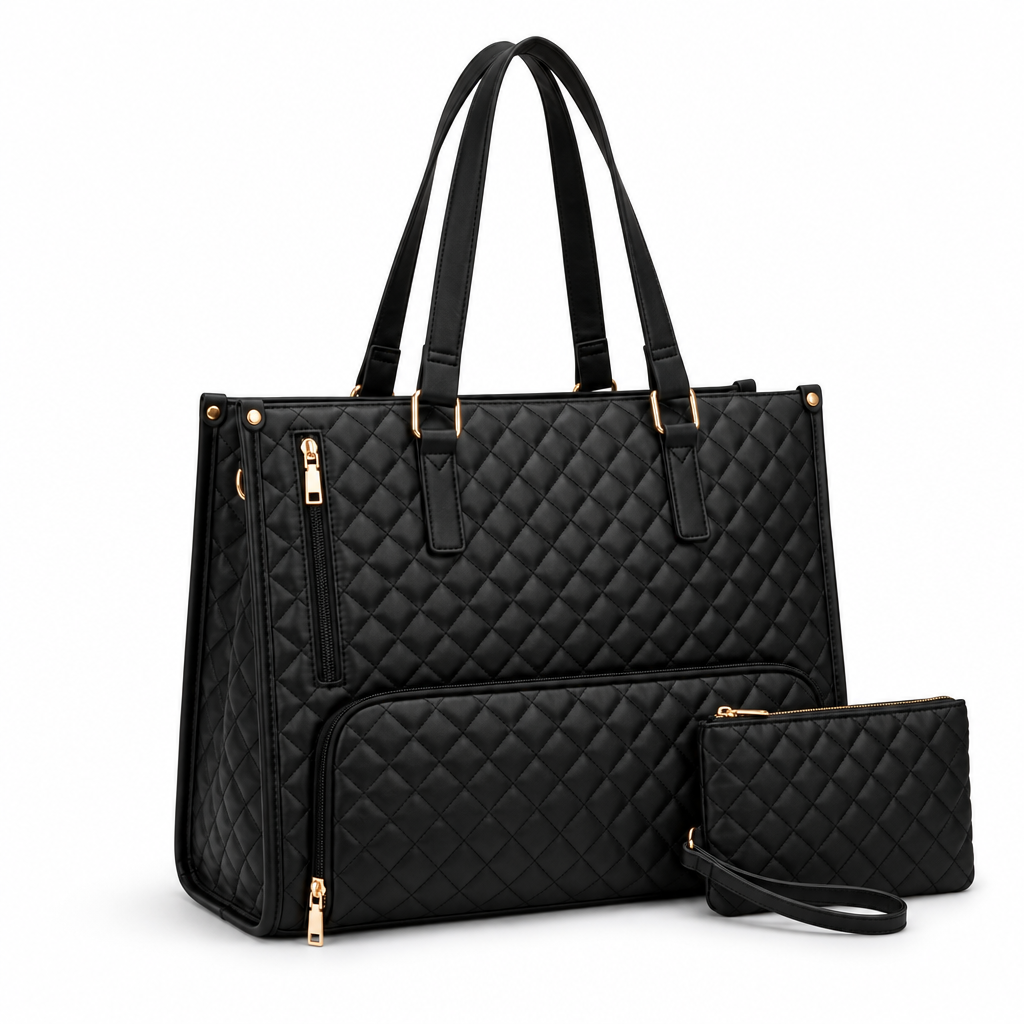
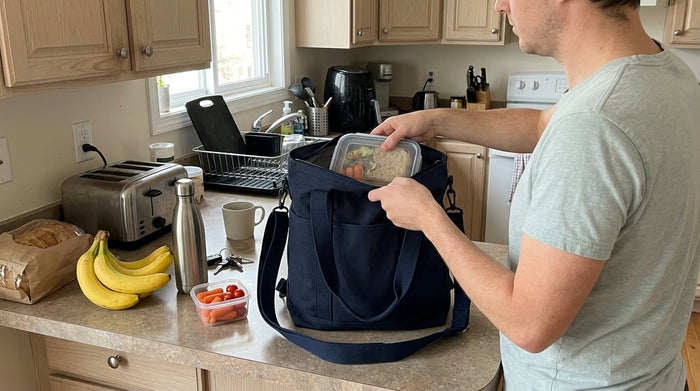
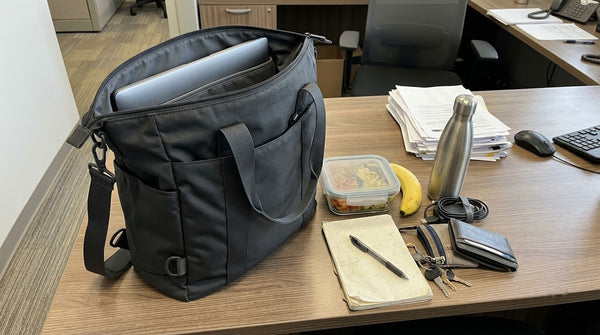
The JELRIX 3-in-1 Totebag combines a tote, an insulated lunch bag and a laptop bag, which makes it a natural travel companion:
- Fits laptops up to 17" in its own section.
- A leak-proof insulated compartment for snacks and meals that keeps food warm for up to 5 hours or cold for up to 10.
- 7 smart compartments plus a secure zip pocket for your passport, phone and cards.
- A waterproof exterior and easy-to-clean lining.
- A chic look that works as your day bag at your destination.
Check your airline's personal item dimensions before flying, as limits vary. The bag ships in 3 to 5 days with tracking and comes with 30-day easy returns.
Key Takeaways
- Your personal item is the only bag you can reach in flight, so it holds documents, medication, tech, comfort items and snacks.
- Check your airline's personal item size limit before every trip, as it varies.
- In the U.S., liquids in carry-on bags must follow TSA's 3-1-1 rule, and frozen items must be frozen solid at screening.
- Pack in layers: laptop at the back, pouches in the middle, documents and liquids on top.
- Choose a bag that also works as a day bag when you land.
Packing the same way for every trip turns it into a quick routine. Keep a permanent "travel pouch" with a toothbrush, eye mask, earplugs, an adapter and a spare charging cable, so you only need to add documents, medication and snacks before you leave.
Frequently Asked Questions
Should I keep my medication in my personal item?
Yes. Keep all medication with you in your personal item, in its original packaging where possible, so you can reach it during the flight and still have it if checked luggage is delayed.
What should I pack in my personal item for a flight?
Your ID or passport, boarding pass, wallet, phone and charger, headphones, medication, a light layer, a liquids bag with toiletries, snacks, an empty water bottle and anything valuable such as a laptop.
Can I bring food in my personal item?
In the U.S., TSA allows many solid foods in carry-on bags. Liquid or spreadable foods over 3.4 ounces must follow the liquids rule. Check customs rules at your destination before bringing fresh food into another country.
Can I bring an ice pack on a plane?
TSA allows frozen items through security if they are frozen solid when screened. Partly melted ice packs with liquid must meet the 3-1-1 liquids rule.
What size is a personal item?
It depends on the airline and the fare. Most airlines require it to fit under the seat in front of you. Check your airline's website for exact dimensions before you travel.
Can a tote bag be a personal item?
Yes. Many travelers use a tote as their personal item, as long as it fits the airline's size limit and fits under the seat. A tote with a zip pocket and compartments is easier to manage in flight.