The short answer: real leather bags are made from animal skin, and the supply chain behind them raises concerns about animal welfare, chemical pollution from tanning, and the wider impact of livestock farming. If any of those matter to you, skipping animal leather is a simple, everyday way to act on your values. This guide walks through the reasons, clears up a few common myths, and shows you how to shop with confidence, without any guilt trips.
What real leather actually is
It is easy to forget what a bag is made of when it looks sleek on a shelf. Real leather is animal skin that has been treated so it will not rot. Leather can come from cattle, sheep, goats, pigs, and other animals. So when you pick a bag labelled genuine leather, a real animal was part of the process.
That is not meant to make you feel bad. Most of us were never taught to think about it. We see a handsome tote or a roomy work bag and focus on the stitching, the pockets, and the price. But once you know where the material comes from, it is natural to want a few more answers before you buy.
Here are the main reasons people choose to move away from animal leather:
- Animal welfare: leather starts with an animal, and some livestock systems raise real concerns.
- Chemicals and pollution: turning skin into durable material involves tanning, which can be hard on the environment.
- Environmental footprint: leather is tied to livestock farming, which has its own impact.
- Personal values: many people simply prefer not to carry animal skin every day.
Animal welfare: the heart of the issue
For many shoppers, the animal itself is the main reason. Leather is not made from something that was never alive. It is made from skin. Animal-welfare concerns include crowding and painful procedures reported in some livestock systems supplying leather. Not every farm is the same, and conditions vary a lot from place to place. But as a shopper, it is hard to trace a single bag back to a single farm, and that lack of visibility is part of the problem.
If you care about animals, the logic is straightforward. Choosing a tote made without animal leather is one way to avoid supporting the leather supply chain. You do not have to be perfect or give up everything at once. Choosing one bag at a time is a perfectly good place to start.
Some people say leather is only a by-product, so using it avoids waste. It is a fair point to raise, and you will hear it often. Still, the fact remains that demand for leather is part of the economics of the industry. If you would rather not contribute to that demand, choosing a different material is a clear and simple option.
The tanning problem: what happens after the farm
Even if you set animal welfare aside, there is another reason to think twice. Raw skin does not become a soft, polished bag by itself. It goes through tanning, and this step can involve strong chemicals. Leather tanning can involve hazardous substances, and tannery wastewater can contain pollutants that threaten the environment and human health.
This matters in two ways. First, it affects the communities and ecosystems near tanneries, especially where wastewater is not managed well. Second, it affects workers who handle these substances day after day. You will not see any of that when you hold a finished bag, which is exactly why it is worth talking about.
If you are a label reader who likes to know what goes into your food and skincare, it is reasonable to bring the same curiosity to your accessories. A bag is something you carry close to you every day, so it is fair to ask how it was made.
The bigger picture: livestock and the environment
Leather does not exist in a vacuum. It is connected to farming. Leather production is linked to the environmental impacts of livestock farming as well as pollution from tanning. In other words, the footprint does not start in the tannery. It begins much earlier, with raising the animals.
If you are trying to make your wardrobe a little kinder to the planet, this is worth keeping in mind. Plenty of people already think about food, travel, and energy use. Accessories are another small corner of daily life where your choices can line up with your values.
That said, no material is perfect. Synthetic and plant-based alternatives have trade-offs of their own, from how they are manufactured to how long they last. The goal here is not to claim any one option is flawless. It is to make an informed choice, and to avoid animal skin if that is important to you.
Is leather really the "lasts forever" material?
One of the most common reasons people buy leather is durability. It is true that a well-made bag can serve you for years. But durability depends on much more than the material alone. Good stitching, strong hardware, quality zippers, and sensible design all matter just as much.
A thoughtfully built bag made from another material can also hold up nicely with a little care. Here are a few habits that help any bag last longer:
- Do not overload it. Straps and seams wear out faster under constant strain.
- Wipe it down regularly. A quick clean keeps dirt from settling into the surface.
- Rotate your bags. Using the same one every day speeds up wear.
- Fix small problems early. A loose thread or a sticky zipper is easier to repair before it gets worse.
- Store it properly. Keep it somewhere dry and away from harsh sunlight.
The most sustainable bag is often the one you already own and keep using, so there is no need to throw out what you have. If you already own a leather bag, using it for years is better than tossing it. This article is about what to choose next time you shop.
How to check what your bag is made of
Shopping can get confusing because product names are not always clear. Words like premium, genuine, vegan, or faux can mean different things from one brand to another. A few simple habits make it easier to find out what you are really buying:
- Read the full product description. Look for the material listed in the details, not only in the headline.
- Check the label or tag. Many bags list the material inside or on a hang tag.
- Look for specific wording. If a listing says "leather" without clarifying, it is worth asking.
- Ask the seller. A good store will happily tell you exactly what a bag is made from.
- Be careful with vague claims. If a listing says it is kind to the planet but does not say what the material is, ask for details before you buy.
It sounds like a lot of detective work, but it takes just a minute, and it saves you from surprises later. When in doubt, a quick message to the shop is always a good idea.
A real-world example: reading a product description carefully
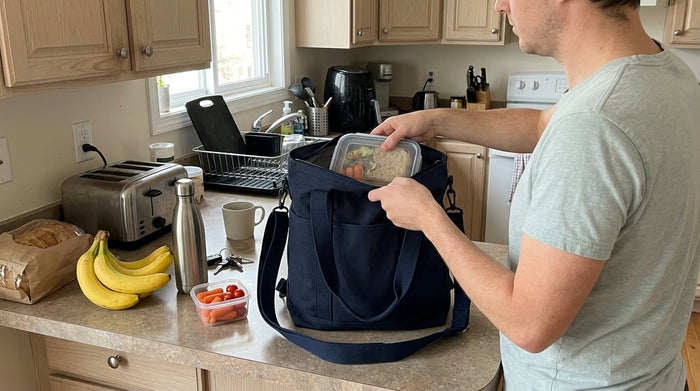
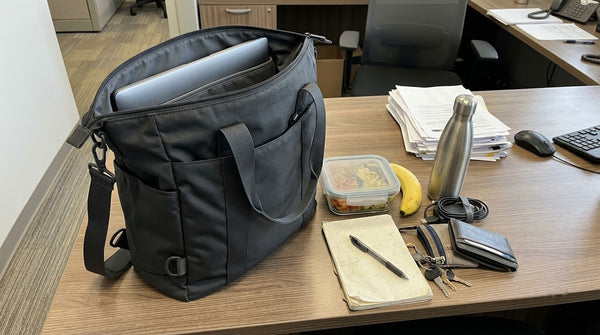
Let us look at how this works in practice. Say you are browsing everyday totes and come across the 3-IN-1 Totebag. On the practical side, the listing highlights a lot of useful features: a leak-proof food compartment, an anti-theft zipper, seven interior pockets, a waterproof exterior, and an easy-to-clean inside lining. It fits laptops up to 17 inches, weighs 1.1 lbs, and measures 5.5 inches deep, 14.5 inches wide, and 17 inches tall. It is listed at $69