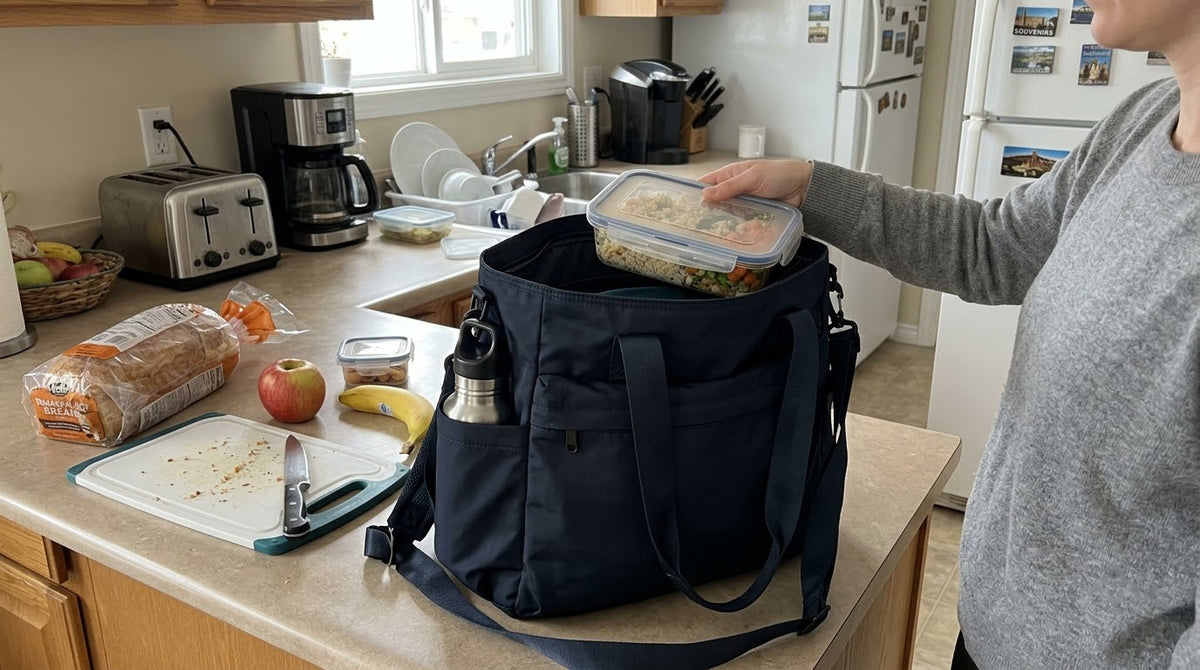
Packing lunch is one of the easiest ways to save money because you skip restaurant prices and make food you already have. It can also save you time. The exact savings depend on what you pack and where you would have eaten.
Why packing lunch usually costs less
When you eat out, you pay for the food, the cooking, and the service. When you pack lunch, you only pay for the groceries. That is why Clemson Extension notes that bringing lunch from home can cost less than eating out. It is not a promise, though. A fancy packed lunch can cost more than a cheap meal out, so what you pack matters.
The good news is that a simple lunch is easy to make. Think rice and beans, a pasta salad, a sandwich with fruit, or last night's chicken with some veggies. None of it needs to be hard or fancy.
Use your dinner leftovers
Leftovers are the easiest way to keep costs down. If you cook dinner anyway, make a little extra and pack it for tomorrow. Clemson Extension suggests using dinner leftovers as one way to keep packed-lunch costs low.
- Double a recipe and save half for lunch.
- Turn leftovers into something new, like roast chicken into a wrap.
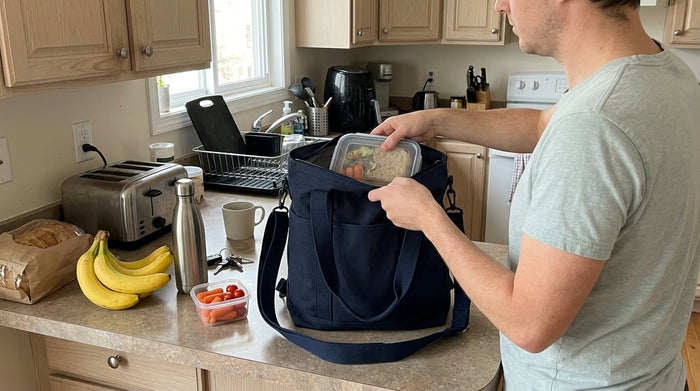
- Keep a few easy containers near the fridge so packing takes a minute.
Make a few lunches at once
Making several lunches at the same time also helps. Clemson Extension lists batch-making lunches as another way to spend less. You cook once, wash up once, and have lunch ready for a few days.
Pick a day, like Sunday evening, and spend twenty minutes on it. Cook a pot of grains, chop some veggies, and fill your containers. Your weekday mornings will feel much calmer.
Buy snacks big and portion them yourself
Single-serve snack packs cost more for what you get. Instead, buy snacks in bulk and portion them yourself to avoid the higher price of packaged single servings.
- Split a big bag of crackers into small containers.
- Scoop yogurt into a small jar instead of buying cups.
- Bag up nuts, popcorn, or cut fruit for the week.
Packing lunch saves time too
Money is not the only thing you save. Packing lunch can help you avoid cafeteria lines, trips to fast-food spots, and waits for restaurant service. That means more of your break is actually a break. You can eat, take a walk, or just sit down and relax.
Carry it in a bag that works for you
A good lunch bag makes the habit easier to keep. If your food is squished or your drink is warm, you will be tempted to buy something instead. A bag with room for containers and a place to keep food cool or warm helps a lot.
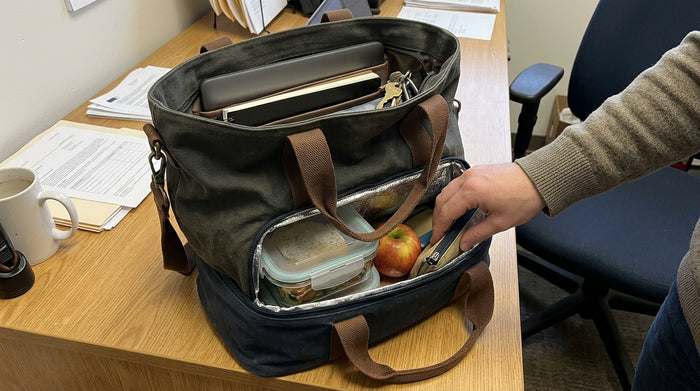
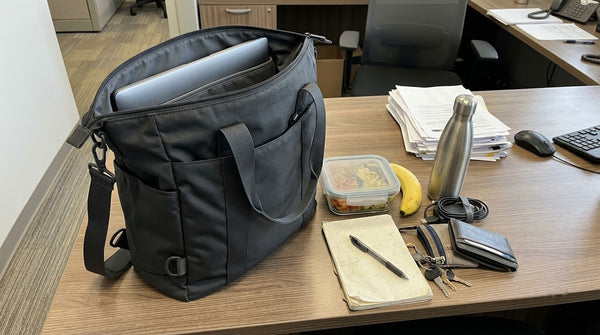
One option is the 3-IN-1 Totebag, priced at $69. Packuum describes it as having an insulated lunch compartment, several storage sections, and space for meal-prep containers and a laptop. Packuum says the insulated compartment is designed to keep food warm for up to five hours and drinks cold for up to ten hours. That can be handy if you carry your lunch and your work things in one bag.
Easy ways to start this week
- Start small. Pack lunch two or three days, not all five.
- Plan ahead. Decide on your lunches when you write your grocery list.
- Keep it simple. Pick meals you already like.
- Pack the night before. Mornings are busy, so get it done early.
Once it becomes a habit, you will likely not think about it much. It just becomes part of your day.
Does packing lunch really save money?
Usually, yes. It can cost less than eating out, but it depends on what you pack and where you would have eaten.
What is the cheapest way to pack lunch?
Use dinner leftovers and make a few lunches at once. Buying snacks in bulk and portioning them yourself also helps.
Do I need a special bag to pack lunch?
No, any bag that keeps your food safe and in one piece will work. An insulated bag with room for containers just makes it easier to stick with.