The easiest way to save money on a 9-to-5 is to spend less on food and commuting. Pack your lunch, bring your own coffee, and use any commuter benefits your job offers. Small changes you repeat every workday add up fast.
Start With Where Your Workday Money Goes
Before you change anything, take a look at your normal week. Most of us spend a little here and a little there, and it never feels like much. Then the month ends and the money is gone.
For one week, jot down everything you spend between waking up and getting home. Include the coffee, the lunch, the snack from the vending machine, and the ride to work. You do not need a fancy app. A notes page on your phone works fine.
- Food: breakfast, coffee, lunch, and snacks
- Travel: fuel, parking, train or bus fares
- Extras: small buys that happen because you are tired or in a rush
Once you see the list, pick one or two things to change. Trying to fix everything at once is the quickest way to give up.
Pack Your Lunch Most Days
Lunch is often the biggest daily spend at work. Packing lunch from home can cost less than eating at a restaurant or cafeteria, and it also gives you more say over what goes in your meal.
You do not have to pack lunch five days a week. Start with three. That alone can make a real dent in your food spending, and it feels easier to stick with.
Use last night's dinner
One simple trick is to cook a little extra at dinner. Using dinner leftovers is one suggested way to keep lunch costs down. Put the extra portion in its own container right away, so tomorrow's lunch is ready before you even sit down to eat.
Bring Breakfast and Coffee From Home
The morning coffee run feels small, but it happens again and again. University of Idaho Extension suggests bringing breakfast or coffee from home as one way to spend less on food during the workday.
You can keep it simple:
- Make coffee at home and pour it into a travel mug.
- Keep easy breakfast items at your desk, like oatmeal or fruit.
- Save the café visit for a treat, not a habit.
This is not about cutting out everything you enjoy. It is about choosing when it is worth paying for.
Plan Your Meals Ahead
A little planning goes a long way. Planning meals ahead and preparing more meals at home can help reduce food spending, according to University of Idaho Extension.
Here is an easy way to start. On Sunday, take ten minutes and decide what you will eat for lunch on workdays. Check what you already have at home, then write a short shopping list. When you shop with a list, you are less likely to grab things you do not need.
Keep a few go-to lunches
Pick two or three lunches you like and can make quickly. Rotating a few reliable meals means less thinking, less waste, and fewer "I will just buy something" moments at noon.
Check for Commuter Benefits
Getting to work costs money too. Some employers offer help that many people never use. For example, eligible full-time employees at certain New York City employers can use pre-tax income for qualified transit or commuter-vehicle costs, which can lower monthly commuting expenses.
Rules depend on where you live and who you work for. So the best move is to ask your HR team or read your benefits page. If a program exists, it takes just a few minutes to sign up, and the savings can repeat every month.
Other ways to trim the commute
- Share a ride with a coworker once or twice a week.
- Walk or bike on days when the weather is nice.
- Combine errands into one trip home instead of several.
Carry One Bag That Does More
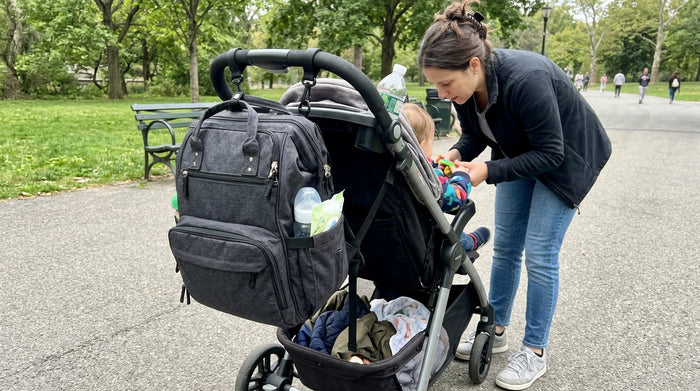
Many of us carry a work bag, a gym bag, and a shopping bag. That can mean buying more bags than you need, or buying a bag every time you forget one. A single flexible bag can cut some of that out.
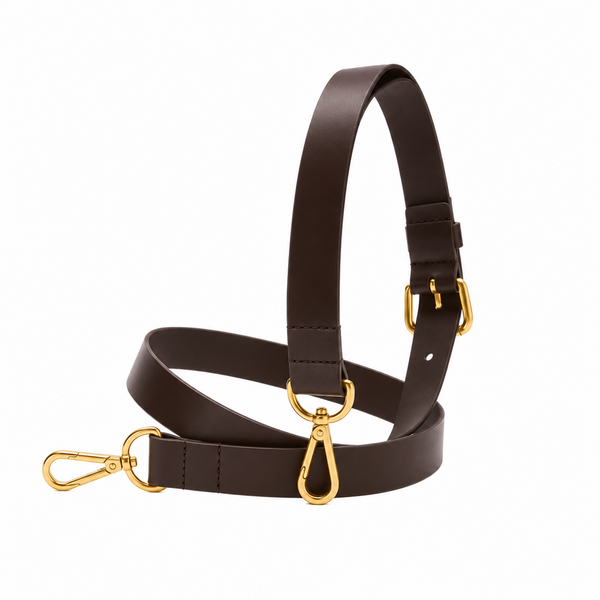
A convertible tote is one idea. A convertible tote can double as a shoulder bag or backpack, so you get different ways to carry it on your commute. If you like that idea, the 3-IN-1 Totebag is one to look at. The name tells you it is made to be used more than one way.
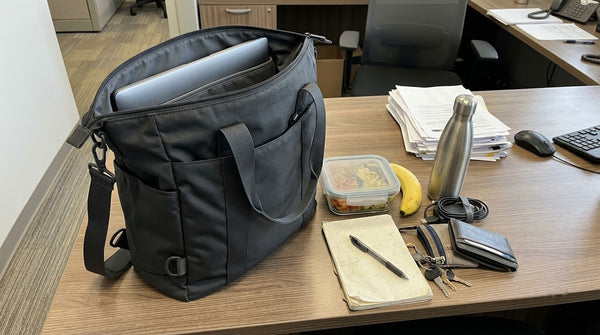
Whatever bag you choose, make sure it has room for your lunch container and your travel mug. That way, your money-saving habits are easy to carry along with you.
Build a Simple Weekly Routine
Saving works best when it becomes automatic. Here is a sample week you can copy or change:
- Sunday: plan lunches and write your grocery list.
- Monday to Thursday: pack lunch and bring coffee from home.
- Friday: enjoy a lunch out as a planned treat.
- Every evening: put tomorrow's lunch in your bag before bed.
Having one planned treat makes the rest of the week feel easier. You are not saying no to everything. You are just choosing on purpose.
Make the Savings Count
Saving money only helps if it stays saved. When you skip a purchase, move that amount into a savings account if you can. Even a small amount each week builds up over time.
Try giving the money a job. You could build an emergency fund, pay down a bill, or save for a trip. When there is a goal, it is easier to keep going on busy days.
Be Kind to Yourself
You will have days when you forget your lunch or the day goes sideways. That is normal. One bought lunch does not ruin your month. Just get back to your routine the next day.
The goal is steady progress, not perfection. Pick one habit this week, make it easy, and add another when you are ready.
How much can I save by packing lunch?
It depends on what you usually buy and how often you pack. Packing lunch from home can cost less than eating at a restaurant or cafeteria, so even a few packed lunches a week help.
What is the easiest money-saving habit to start with?
Pack tomorrow's lunch the night before, using leftovers when you can. It takes a few minutes and saves you from buying lunch on the spot.
Do I need to give up all treats to save money?
No. Pick a day or two when you enjoy a coffee or lunch out and plan for it. Treats feel better when they are a choice and not a habit.